

ULIPs vs Mutual Funds: Which Is Better for Wealth?
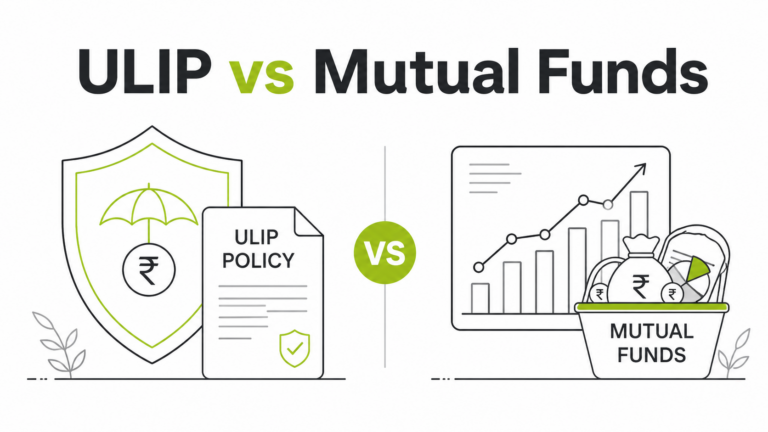
For investors whose main goal is wealth creation, mutual funds are usually easier to evaluate because investing is their primary purpose. ULIPs combine life insurance with market-linked investment inside one product. That does not automatically make every ULIP unsuitable. The…
Mutual Fund Types: Direct, Regular, Equity and Debt

Mutual funds can be classified in several ways, and beginners often mix up two completely different classifications: direct vs regular plans, and equity vs debt funds. Direct and regular describe how the scheme is distributed and what cost structure applies.…
How SIP Works: Step-by-Step Guide for Beginners

A Systematic Investment Plan, or SIP, is a method of investing a fixed amount into a mutual fund at regular intervals. It is not a separate investment product and it does not guarantee returns. If you start a ₹5,000 monthly…
Demat Account Charges: Broker Fees Explained in India
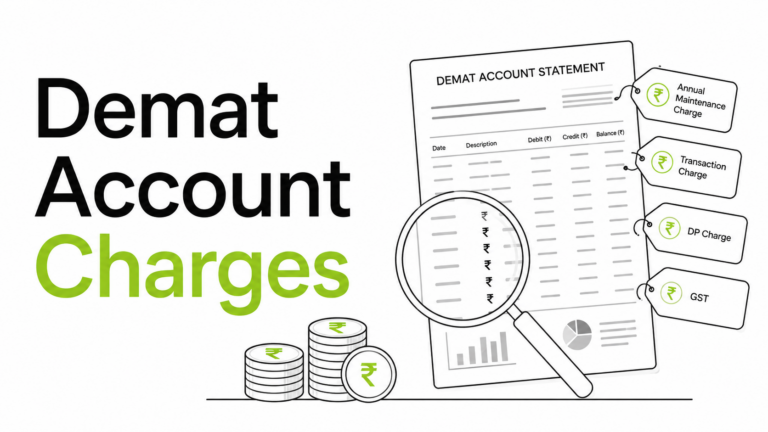
A demat account advertised as “free” may still involve several costs. Depending on your broker and trading activity, you may pay brokerage, annual maintenance charges, DP charges, exchange transaction fees, statutory levies, GST, and other permitted charges. The best way…
50/30/20 Budget Rule: Manage Your Salary in India

The 50/30/20 budget rule is a simple way to divide your take-home salary. About 50% goes toward essential needs, 30% toward lifestyle wants, and 20% toward savings, investments, and financial goals. It is best treated as a starting framework rather…
Sovereign Gold Bond: Complete Guide and Returns

Sovereign Gold Bonds, or SGBs, are government securities linked to the value of gold. Outstanding SGBs combine exposure to gold-price movements with fixed interest of 2.5% per year on the nominal value of the investment. They were created as a…
Fixed Deposit vs Recurring Deposit: Which Is Better?
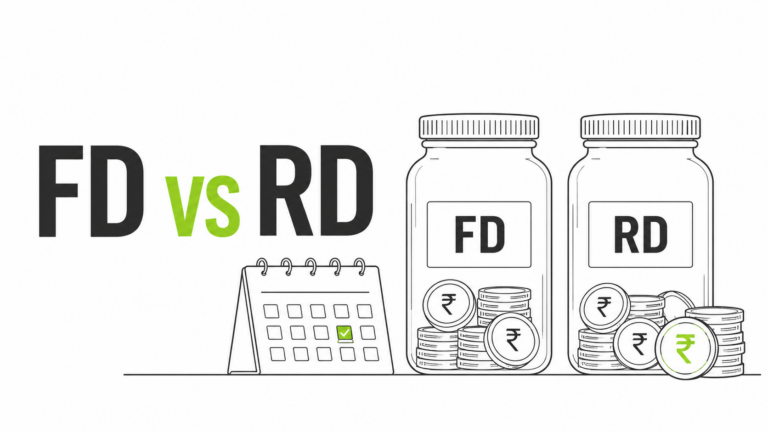
A fixed deposit is usually more suitable when you already have a lump sum available to invest. A recurring deposit is designed for someone who wants to save a fixed amount regularly, usually from monthly income. The two products are…
PPF Account: Interest Rate, Rules and Tax Benefits

The Public Provident Fund, or PPF, is a government-backed long-term savings scheme in India. It combines sovereign backing, compounded interest, a 15-year initial tenure, and favourable tax treatment, making it a popular option for conservative long-term investors. PPF can work…
How to File ITR Online: Step-by-Step Guide
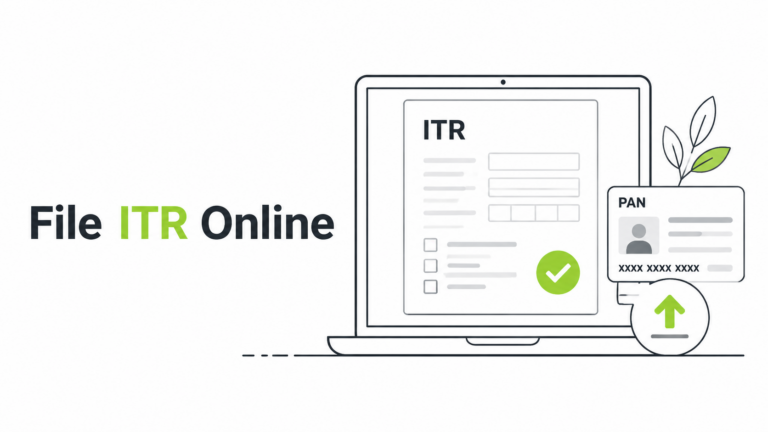
You can file your Income Tax Return online through India’s official Income Tax e-Filing portal. The basic process is to collect your tax records, choose the correct assessment year and ITR form, verify pre-filled information, report all remaining income, calculate…



