Demat Account Charges: Broker Fees Explained in India

A demat account advertised as “free” may still involve several costs. Depending on your broker and trading activity, you may pay brokerage, annual maintenance charges, DP charges, exchange transaction fees, statutory levies, GST, and other permitted charges.
The best way to compare brokers is to estimate your total annual cost, not simply compare the headline brokerage rate.
What Is a Demat Account?
A demat account holds securities electronically.
It can contain investments such as:
- Listed shares
- ETFs
- Bonds
- REIT units
- Other eligible securities
The demat account works alongside a trading account when you buy or sell exchange-traded securities.
Is Opening a Demat Account Free?
Many brokers offer zero account-opening fees.
That does not mean:
- No AMC
- No DP charges
- No transaction costs
- No statutory taxes
- No brokerage on every segment
Read the broker’s tariff sheet before opening the account.
What Is Brokerage?
Brokerage is the amount a broker charges for executing eligible orders or trades.
Pricing can vary across:
- Equity delivery
- Equity intraday
- Futures
- Options
- Currency
- Commodity segments
A broker can offer zero delivery brokerage while charging for intraday or derivatives.
What Does “Zero Brokerage” Really Mean?
It generally refers only to the broker’s own brokerage charge for specified transactions.
Government and market infrastructure charges can still apply.
Therefore:
Zero brokerage is not the same as zero transaction cost.
What Is Demat AMC?
AMC means annual maintenance charge.
A depository participant may levy an annual fee for maintaining the demat account.
The amount varies by broker, account type, and applicable framework.
Some brokers:
- Charge annually
- Charge quarterly
- Waive AMC under conditions
- Offer special account categories
Check the latest tariff rather than relying on an old comparison article.
What Is a Basic Services Demat Account?
SEBI provides a framework for Basic Services Demat Accounts, or BSDA, intended to reduce costs for eligible smaller investors.
Eligibility and applicable charges depend on current SEBI rules and the value and structure of securities held.
An investor should check current BSDA criteria with the broker or depository participant rather than assuming every low-balance account is automatically treated as BSDA.
What Are DP Charges?
DP stands for depository participant.
DP charges can apply when securities are debited from your demat account in specified transactions.
A common example is selling delivery shares.
Investors are often surprised by DP charges because they focus only on brokerage.
Why DP Charges Matter for Small Sales
Imagine you make several small delivery sell transactions.
Even when brokerage is zero, a fixed or transaction-linked DP charge can have a noticeable impact on small sale values.
This means frequent tiny exits can sometimes create a higher percentage cost than fewer larger transactions.
What Are Exchange Transaction Charges?
Stock exchanges levy transaction charges according to their applicable schedule.
These costs are separate from broker brokerage.
They can vary by:
- Exchange
- Segment
- Product
- Trade value
The broker typically passes applicable charges through your contract note.
What Is Securities Transaction Tax?
Securities Transaction Tax, or STT, is a statutory levy that applies to specified securities transactions.
The rate and point of collection depend on the product and transaction type.
STT can apply differently to:
- Equity delivery
- Intraday
- Equity futures
- Equity options
- Other eligible securities
This is another reason a “₹0 brokerage” trade is not genuinely free.
Is GST Charged on Trading?
GST applies to specified brokerage and transaction-related service components according to tax rules.
It is different from capital gains tax.
Your contract note generally shows the applicable components.
What Is Stamp Duty?
Stamp duty is another statutory charge applied to securities transactions according to the relevant framework.
It forms part of your actual trading cost.
Are SEBI Charges Separate?
Regulatory charges can also appear as part of the transaction-cost structure.
Individually, some statutory charges may look very small.
Across frequent trading, costs can add up.
What Does a Contract Note Show?
A contract note provides transaction-level details such as:
- Trades executed
- Quantity
- Price
- Brokerage
- Exchange charges
- Statutory levies
- Net amount payable or receivable
Active investors should learn to read contract notes rather than relying solely on an app’s profit-and-loss screen.
How Should a Long-Term Investor Compare Brokers?
A long-term investor who buys a few stocks each month should focus on:
- Demat AMC
- DP charges
- Delivery brokerage
- Account reliability
- Corporate-action support
- Customer service
- Reports and tax statements
A minor difference in intraday brokerage may be irrelevant.
How Should an Active Trader Compare Brokers?
A frequent trader should pay closer attention to:
- Per-order brokerage
- Intraday charges
- F&O brokerage
- Platform stability
- Order execution
- API charges, if relevant
- Call-and-trade charges
- Margin-related charges
- Risk-management policies
For active traders, small per-order differences can compound into meaningful annual costs.
What Other Charges Can Brokers Levy?
Depending on the broker and service, potential charges can include:
- Call-and-trade fees
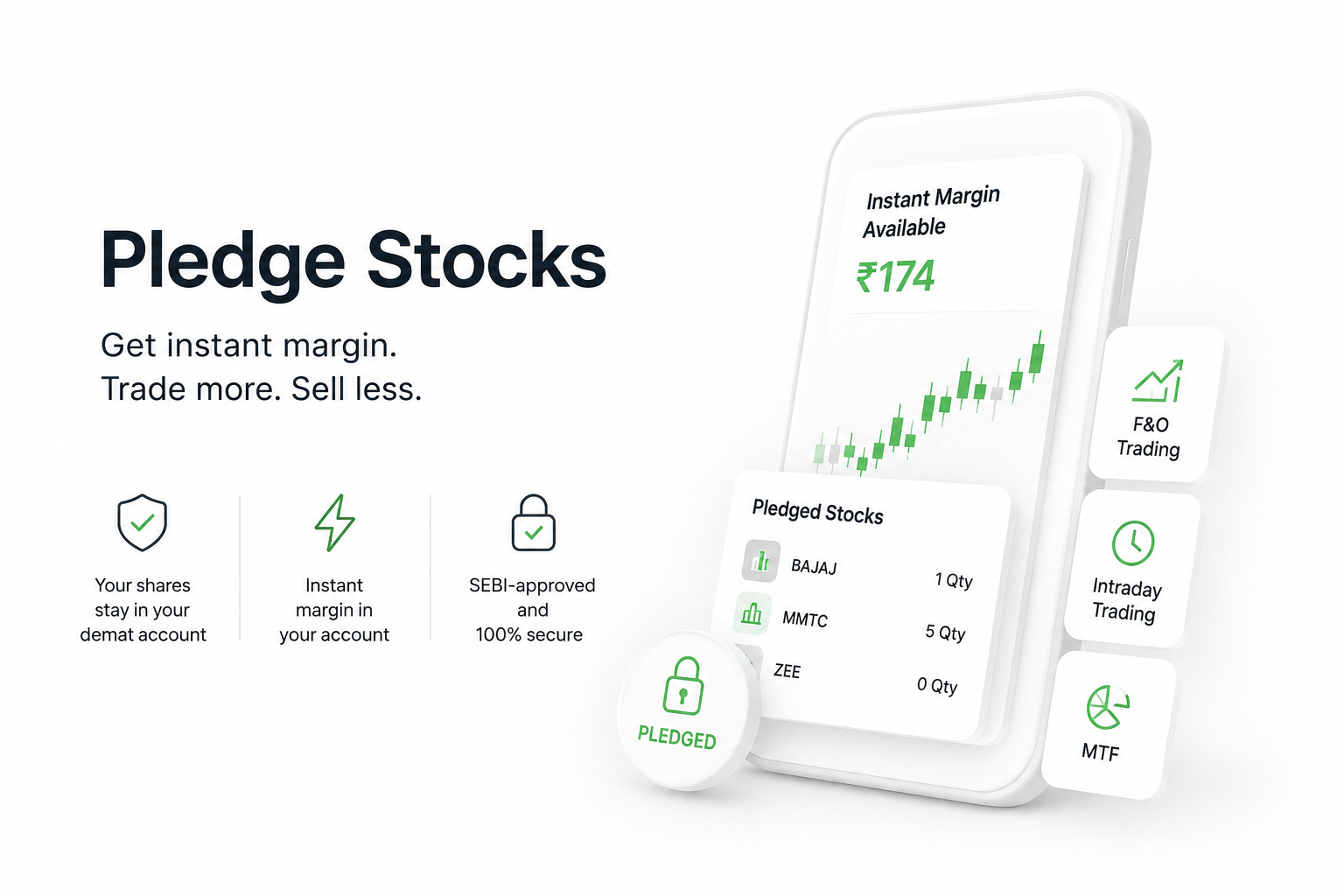
- Pledge or unpledge fees
- Payment gateway charges
- Account modification fees
- Physical statement fees
- Failed instruction charges
- Margin shortfall-related charges
- API or premium platform fees
Not every broker charges all of these.
Always consult the latest official tariff.
Why Broker Comparison Tables Can Become Outdated
Broker pricing changes.
So do:
- Regulatory levies
- AMC policies
- Promotions
- Platform features
An article claiming to show the “cheapest broker” can become inaccurate quickly.
A better comparison should show readers what to check, then direct them to verify current tariffs.
Example of Total Cost Thinking
Suppose Broker A offers:
- ₹0 delivery brokerage
- Higher AMC
- Higher DP charge
Broker B offers:
- Small delivery brokerage
- Lower AMC
- Lower DP charge
For an investor making very few trades, Broker B could potentially cost less overall.
The cheapest headline fee is not always the cheapest account.
Are Demat Charges Tax Deductible?
The tax treatment of trading and investment expenses depends on the nature of your income and the applicable tax provisions.
An investor reporting capital gains and a trader reporting business income can face different treatment.
Do not assume every brokerage-related cost is separately deductible in the same way.
How to Reduce Demat and Trading Costs
You can:
- Avoid unnecessary overtrading.
- Compare official tariff sheets.
- Check AMC structure.
- Understand DP charges.
- Avoid frequent tiny delivery exits.
- Review unused premium services.
- Use the appropriate account type.
- Reassess your broker if your trading style changes.
Should You Pick a Broker Only on Price?
No.
Also consider:
- SEBI registration
- Platform uptime
- Security
- Support
- Risk controls
- Reporting quality
- Ease of fund transfer
- Product availability
- Order types
- Grievance handling
Saving a few hundred rupees annually is not worthwhile if the platform repeatedly fails when you need it.
Common Demat Charge Mistakes
Avoid:
- Believing “free account” means no cost
- Ignoring DP charges
- Looking only at brokerage
- Comparing outdated fee tables
- Ignoring annual maintenance
- Overtrading because brokerage appears cheap
- Forgetting statutory charges
FAQs
Is a zero-brokerage demat account free?
No. AMC, DP charges, statutory levies, exchange charges, and other permitted fees may still apply.
What are DP charges?
They are depository participant charges associated with specified demat transactions, commonly including certain securities debits.
Does every broker charge AMC?
Policies differ. Check the broker’s current official tariff and your account category.
Are taxes included in brokerage?
No. Statutory taxes and levies can be separate from the broker’s brokerage charge.
Which broker has the lowest demat charges?
There is no permanent answer because tariffs change and the cheapest broker depends on your trading pattern.
Key Takeaways
- Zero brokerage does not mean zero investing cost.
- Check AMC, DP charges, and statutory transaction costs.
- Long-term investors and active traders should compare brokers differently.
- Use official current tariff sheets.
- Evaluate total annual cost rather than one advertised fee.
- Reliability, security, and reporting quality matter alongside price.
Disclaimer
The stocks mentioned in this article are not recommendations. Please conduct your own research and due diligence before investing. Investment in securities market are subject to market risks, read all the related documents carefully before investing. Please read the Risk Disclosure documents carefully before investing in Equity Shares, Derivatives, Mutual fund, and/or other instruments traded on the Stock Exchanges. As investments are subject to market risks and price fluctuation risk, there is no assurance or guarantee that the investment objectives shall be achieved. Lemonn (Formerly known as NU Investors Technologies Pvt. Ltd) do not guarantee any assured returns on any investments. Past performance of securities/instruments is not indicative of their future performance.