



Silver Price Trend in Pune
Silver prices in Pune can move considerably over short periods. The metal is influenced by both investment demand and industrial consumption, which can make its price behaviour different from gold.
Use the silver price trend chart above to compare today's price with recent rates rather than judging the market from a single day's movement.
What affects silver prices in Pune?
Important factors include:
- International silver prices
- USD/INR exchange rate
- Industrial demand
- Investment demand
- Interest rates
- Inflation expectations
- Global economic activity
- Mining supply
- Recycling supply
- Gold and broader precious-metal trends
- Geopolitical developments
- Local demand and dealer pricing
No single factor determines the silver rate. Several can affect the market simultaneously.
Today's Silver Price Per Gram and Kg in Pune
Silver is commonly quoted per gram and per kilogram in India. The live table above lets you calculate the approximate value of different quantities using today's silver rate.
Why Does the Silver Rate Differ Across Indian Cities?
Silver prices can differ slightly between Pune and in other Indian cities.
Local differences can result from:
- Transportation and logistics
- Local supply and demand
- Dealer margins
- Inventory costs
- Bullion availability
- Seller-specific pricing
Two sellers within Pune may also quote different prices on the same day.
Compare the final purchase price rather than relying only on a headline online silver rate.
Historical Silver Rates in Pune
Historical silver rates show how today's price compares with previous days and months.
Silver can experience periods of rapid price appreciation as well as sharp corrections. Looking at recent history can help put today's price into context, but past performance does not predict future returns.
If you are planning a large purchase, use the historical silver rate table to check whether prices have recently risen or fallen significantly.
Top Silver Market Trends to Watch
Silver's price is influenced by financial-market conditions as well as demand for the metal in industrial applications.
How does industrial demand affect silver prices?
Silver is used in a range of industrial and technological applications because of properties such as electrical and thermal conductivity.
Changes in manufacturing activity and demand from silver-consuming industries can therefore influence the market.
This industrial component is one reason silver does not always behave exactly like gold.
How do interest rates affect silver?
Silver does not itself pay interest.
When yields on interest-bearing investments increase, precious metals can become relatively less attractive to some investors. Falling rate expectations can have the opposite effect.
The relationship is not automatic because industrial demand, currencies, supply, and investor positioning also affect silver.
How does the rupee-dollar exchange rate affect silver in India?
International silver is generally priced in US dollars.
If the rupee weakens against the dollar, the domestic price of silver can rise even if the international dollar price remains relatively stable. A stronger rupee can have the opposite effect.
Why can silver prices be volatile?
Silver has both investment and industrial demand.
Changes in global economic expectations, industrial consumption, currency markets, interest rates, and investor positioning can therefore produce relatively large price movements.
How do traders forecast silver prices?
Silver traders commonly monitor:
- International spot silver
- Silver futures
- US dollar movements
- Bond yields
- Interest-rate expectations
- Manufacturing indicators
- Industrial demand
- Mining output
- Gold prices
- Futures positioning
- Technical price levels
These indicators can inform a market view, but none can predict future prices with certainty.
Buying Silver ETFs in Pune
Silver Exchange Traded Funds provide exposure to silver without requiring investors to personally store bars, coins, or other physical silver.
Silver ETFs generally aim to track the domestic price of physical silver, subject to fund expenses and tracking differences. SEBI-filed scheme documents for Silver ETFs identify the domestic price of physical silver as the relevant benchmark for such schemes.
When comparing Silver ETFs, consider:
- Expense ratio
- Tracking error
- Liquidity
- Trading volume
- Bid-ask spread
- Assets under management
- Applicable taxation
Silver ETF units are market-linked investments. Their returns are not guaranteed.
Silver Rate in Pune: Buying, Purity and Investment Guide
Where to Buy Silver in Pune?
Physical silver can be purchased from established jewellers, silver dealers, and bullion sellers in Pune.
Depending on what you need, you can buy:
- Silver jewellery
- Silver coins
- Silver bars
- Silver utensils
- Silver artefacts
- Investment-grade physical silver
Investors who do not require physical possession can also consider Silver ETFs and silver-focused mutual fund products.
When purchasing physical silver, compare purity, weight, hallmarking, making charges, seller reputation, invoice details, and buyback conditions.
What Is the Best Place to Buy Silver in Pune?
There is no single seller that will necessarily be the best choice for every silver purchase.
Instead, compare established sellers using:
- Purity or fineness
- BIS hallmarking where applicable
- Current silver rate
- Net silver weight
- Making charges
- Additional design charges
- Buyback terms
- Final invoice value
For silver jewellery and artefacts sold as hallmarked products, check that the seller follows the applicable BIS hallmarking requirements.
What Should First-Time Silver Buyers Know?
The displayed silver rate is not necessarily the amount you will pay for a finished silver product.
A jewellery or artefact bill may broadly include:
Silver value + making charges + design costs + applicable taxes and charges
For example, if silver is quoted at ₹220 per gram, a finished silver article may cost more per gram because manufacturing and other charges can be added.
Ask the seller for a clear price breakdown.
What Are Making Charges on Silver Jewellery?
Making charges compensate the jeweller or manufacturer for turning raw silver into a finished product.
They can be calculated:
- Per gram
- As a percentage of the silver value
- As a fixed amount per article
A plain silver coin and an intricate handcrafted ornament can therefore have very different retail premiums even when they contain the same weight of silver.
Making charges should be compared separately from the underlying silver rate.
How Can You Check the Purity of Silver?
Silver purity is usually expressed as fineness, which indicates how many parts out of 1,000 are silver.
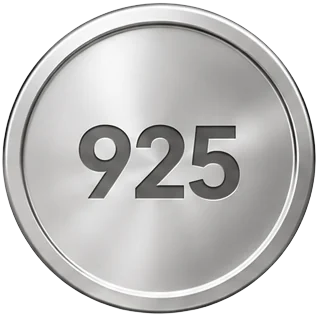
For example, 925 silver means 925 parts out of 1,000 are silver, equivalent to 92.5% purity.
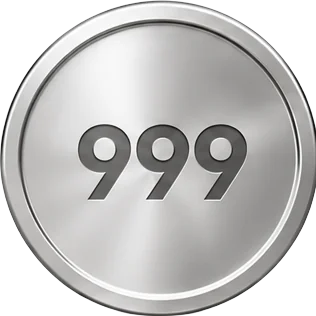
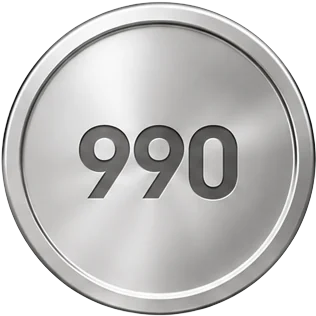
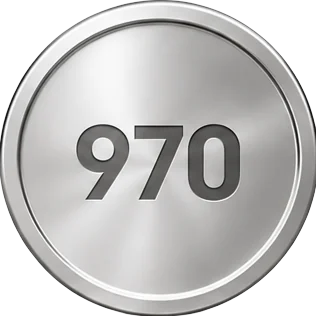
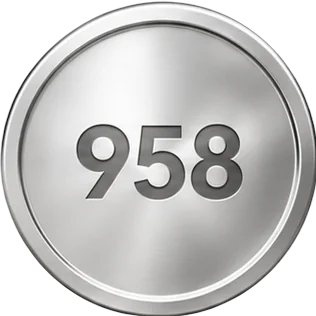
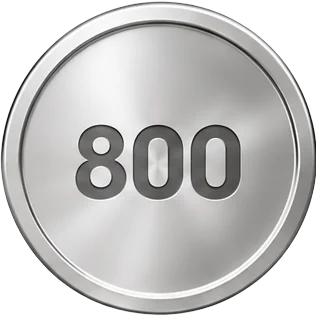
Under the revised IS 2112:2025 standard, BIS specifies seven silver purity grades: 800, 835, 925, 958, 970, 990, and 999.
The right purity depends on the product and intended use.
What Is 925 Silver?
925 silver contains 92.5% silver and 7.5% other metals.
It is commonly known as sterling silver.
Pure silver is relatively soft, so alloying it with other metals can improve strength and make it more practical for jewellery and other frequently handled products.
Under the current BIS silver hallmarking standard, 925 is one of the specified purity grades.
What Is 999 Silver?
999 silver contains approximately 99.9% silver.
It has a higher silver content than 925 sterling silver and is often associated with high-purity silver products.
Higher purity does not automatically mean a product is more suitable for every use. Jewellery and frequently handled items may benefit from an alloy designed to improve durability.
925 vs 999 Silver: What's the Difference?
The main difference is purity.
Choose based on the product rather than purity alone.
How Does Silver Hallmarking Work in India?
Silver is one of the precious metals covered by the BIS hallmarking framework in India.
An important recent change is the introduction of HUID-based silver hallmarking under IS 2112:2025. BIS says the revised system took effect voluntarily from 1 September 2025.
Under the revised system, a silver hallmark includes:
- BIS Standard Mark with the word SILVER
- Purity grade
- Six-digit alphanumeric HUID
The HUID allows consumers to verify information about eligible hallmarked silver articles using the BIS Care app.
What Should You Check Before Buying Silver Jewellery in Pune?
Before buying:
- Confirm the silver purity.
- Check applicable BIS hallmark details.
- Verify the HUID for articles hallmarked under the new HUID system.
- Check net silver weight.
- Ask about making charges.
- Find out whether stones or other materials affect the displayed weight.
- Understand exchange and buyback terms.
- Ask for a proper invoice.
BIS says invoices for hallmarked precious-metal articles should include details such as the article description, net precious-metal weight, purity, and hallmarking charges.
What Type of Silver Should You Buy in Pune?
The answer depends on why you want silver.
Buying jewellery for personal use is different from buying silver solely for investment.
Buying Silver Coins in Pune
Silver coins are commonly bought for gifting, festivals, religious occasions, collecting, and investment.
Before buying a coin, check:
- Purity
- Weight
- Hallmark or certification where applicable
- Seller premium
- Invoice
- Buyback terms
A coin's retail price can be higher than its underlying silver value because of minting, packaging, branding, and seller margins.
Buying Silver Bars in Pune
Silver bars can be more straightforward for buyers primarily interested in owning physical silver.
Before buying, compare:
- Purity
- Weight
- Price per gram or kilogram
- Seller premium
- Refinery or manufacturer details
- Invoice
- Buyback conditions
Physical silver is bulky compared with gold for the same rupee value, so storage becomes increasingly important as the investment grows.
Buying Physical Silver Jewellery and Ornaments
Silver jewellery combines the value of the metal with craftsmanship and personal use.
Your purchase price can include:
- Silver value
- Making charges
- Design premium
- Stones or other materials
- Applicable taxes
Those additional costs may not be fully recovered when you sell the jewellery.
If your goal is purely investment, compare jewellery with bars, coins, and Silver ETFs before deciding.
Should You Buy Silver in Small Quantities?
Investors who want physical silver exposure can choose to spread purchases across different dates rather than buying their entire intended quantity at once.
This can reduce dependence on a single day's market price.
It does not guarantee a lower average purchase price or higher returns. Silver can continue rising after you start buying or continue falling after each purchase.
Digital Silver: What Should Buyers Know?
Some online platforms may offer products described as digital silver.
Before buying, understand exactly what the product represents and who holds the underlying metal.
Check:
- Ownership structure
- Custody arrangements
- Storage charges
- Buy-sell spread
- Redemption conditions
- Delivery charges
- Counterparty risk
- Regulatory status
Do not assume that a product marketed as digital silver has the same regulatory structure as a SEBI-regulated Silver ETF.
Investing in Silver Mutual Funds
Some mutual fund schemes provide silver exposure through a fund-of-funds structure that invests substantially in Silver ETF units.
For example, SEBI-filed scheme documents can specify a 95% to 100% allocation to units of a Silver ETF for a silver ETF FoF.
Before investing, compare:
- Expense ratio
- Underlying Silver ETF
- Tracking performance
- Additional fund-of-fund costs
- Exit load, if applicable
- Liquidity
- Tax treatment
The ETF route and fund-of-funds route can have different cost structures.
Silver ETFs vs Physical Silver
Both provide silver exposure, but the ownership experience differs.
The suitable option depends on whether you want the metal physically or mainly want exposure to silver prices.
Why Is Silver Used in Industry?
Silver has characteristics that make it useful beyond jewellery and investment.
It has applications across several industrial and technological areas, which means silver demand can be influenced by manufacturing activity as well as investor behaviour.
This dual role is an important distinction between silver and gold.
When industrial activity changes significantly, it can affect silver demand and contribute to price movements.
Why Do People in Pune Buy Silver?
Silver is purchased for several reasons in India:
- Jewellery
- Coins
- Religious items
- Utensils
- Gifts
- Festivals
- Investment
- Collectibles
- Decorative articles
Its lower per-gram price compared with gold can also make physical precious-metal ownership accessible at smaller rupee amounts.
What Are the Risks of Investing in Silver?
Silver can diversify a portfolio, but it is not risk-free.
Silver prices can be volatile
Prices can move significantly in relatively short periods.
Physical silver requires storage
A large rupee investment in silver can require substantial storage space.
Jewellery has additional costs
Making charges and design premiums may not be recovered during resale.
Silver produces no regular income
Physical silver does not pay interest or dividends.
Industrial demand can change
Weakness in industries that consume silver can affect demand.
Investment returns are not guaranteed
Past price appreciation does not guarantee future gains.
Silver vs Gold: What Is the Difference for Investors?
Gold and silver are both precious metals, but their markets are not identical.
Neither metal is automatically a better investment. They have different demand drivers and risk characteristics.
Silver and Inflation
Silver is sometimes considered alongside other precious metals during periods of inflation.
However, silver does not move in line with inflation at all times.
Interest rates, industrial demand, currencies, supply, and investor sentiment can have stronger effects over particular periods.
Do not treat silver as guaranteed inflation protection.
Silver as a Diversification Strategy
Silver can form part of a portfolio containing equities, fixed income, gold, cash, and other assets.
Its price can respond to different factors from those driving traditional financial assets.
However, diversification does not eliminate the risk of loss. Silver can decline at the same time as other investments.
The appropriate allocation depends on an investor's objectives, risk tolerance, time horizon, and overall portfolio.
Is Investing in Silver Better Than Mutual Funds?
Silver and mutual funds are not directly comparable.
Silver is an asset. A mutual fund is an investment vehicle that can hold equities, debt securities, silver-related investments, or other assets depending on its mandate.
An equity mutual fund may primarily seek long-term capital appreciation, while silver exposure may be used for diversification or to take a view on precious-metal prices.
Compare investments based on:
- Financial objective
- Time horizon
- Risk
- Liquidity
- Costs
- Tax treatment
- Existing portfolio
Silver in the Futures Market
Silver futures allow market participants to trade contracts linked to future silver prices.
They are leveraged instruments, which means relatively small price movements can result in much larger gains or losses relative to the capital committed.
Traders need to understand:
- Contract specifications
- Lot size
- Margin
- Expiry
- Mark-to-market settlement
- Leverage
- Liquidity
- Volatility
Silver futures are not equivalent to buying physical silver or investing in a Silver ETF.
Taxation of Silver in Pune
Tax treatment depends on how silver is owned, how it was acquired, the transaction involved, the holding period, and prevailing Indian tax law.
Physical silver, Silver ETFs, and mutual fund products can have different tax consequences.
Tax rules can change, so avoid relying on outdated capital-gains rates when making a transaction.
For inherited silver, gifted silver, business holdings, or substantial transactions, professional tax advice may be useful.
How to Sell Physical Silver in Pune at a Competitive Price
Do not judge a resale offer only by comparing it with today's headline silver rate.
Check the current silver price
Know the approximate market rate before requesting quotes.
Confirm the purity
925 silver and 999 silver contain different amounts of the precious metal.
Check net silver weight
Stones, attachments, and non-silver components can affect valuation.
Compare multiple buyers
Ask established buyers for the final amount they are prepared to pay.
Understand deductions
Ask about testing, melting, refining, or service deductions.
Keep your invoice
Documentation can help establish the original weight and declared purity.
Why Can the Buying and Selling Price of Silver Differ?
A dealer generally needs a margin between buying and selling prices.
Physical silver products can also include:
- Manufacturing costs
- Minting charges
- Packaging
- Logistics
- Testing or refining costs
- Dealer margins
For this reason, you should not assume you can immediately resell silver for the same price you paid.
Interesting Facts About Silver
- Silver is both a precious metal and an industrial metal.
- 925 silver contains 92.5% silver.
- 999 silver represents 99.9% purity.
- Sterling silver commonly refers to 925 silver.
- Silver jewellery can contain other metals to improve durability.
- BIS hallmarking covers both gold and silver in India.
- HUID-based silver hallmarking was introduced on a voluntary basis from September 1, 2025.
- The revised BIS standard specifies seven silver purity grades, including 925 and 999.
- Silver ETFs provide a financial-market route to silver exposure without personal storage of physical metal.
Key Takeaways
- Check the live silver rate in Pune per gram and kilogram before buying or selling.
- Use the silver price chart and historical tables to put today's rate into context.
- The retail cost of jewellery, coins, utensils, and artefacts can exceed the underlying silver value.
- 925 silver contains 92.5% silver, while 999 silver contains 99.9%.
- BIS introduced HUID-based silver hallmarking under IS 2112:2025 on a voluntary basis from September 1, 2025.
- Silver ETFs provide silver-price exposure without requiring personal storage of physical metal.
- Industrial demand is an important part of the silver market and can affect prices.
- Compare purity, total cost, seller terms, and buyback conditions before buying physical silver.
- Compare several offers and understand deductions before selling silver.