
How to Trade in Unlisted Shares: A Complete Guide for Investors
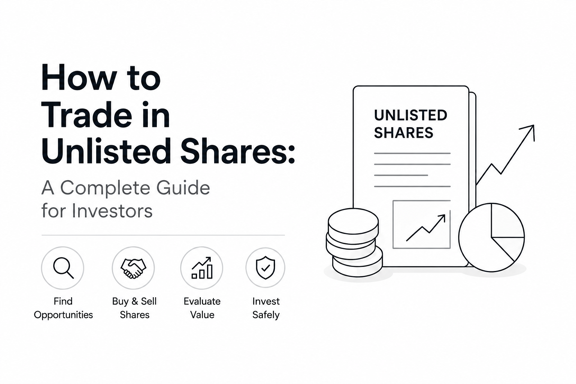
Unlisted shares are gaining popularity among investors looking to access high-growth companies before they go public. While these shares are not traded on stock exchanges like the NSE or BSE, they can still be bought and sold through legal private transactions.
If you’re wondering how to trade in unlisted shares, this guide explains everything you need to know, including where to buy them, how transactions work, the risks involved, taxation, and best practices for investing safely.
What Are Unlisted Shares?
Unlisted shares are equity shares of companies that are not listed on any recognized stock exchange. These companies may be startups, private businesses, subsidiaries of listed companies, or firms preparing for an Initial Public Offering (IPO).
Some investors purchase unlisted shares to benefit from potential value appreciation before the company becomes publicly traded.
Can You Trade Unlisted Shares?
Yes. Unlisted shares can be legally traded in India through private transactions. Unlike listed stocks, there is no centralized exchange where buyers and sellers meet. Instead, transactions typically occur through:
- SEBI-registered intermediaries
- Specialized unlisted share dealers
- Wealth management firms
- Investment platforms offering private market investments
- Existing shareholders such as employees, promoters, or early investors
The transfer of ownership is completed through the company’s registrar and depository system.
“Start investing with confidence! Explore
0 demat account
and grow your wealth.”
How to Buy Unlisted Shares
The process is straightforward when dealing with a reliable intermediary.
Step 1: Choose a Trusted Platform or Broker
Work only with established firms that specialize in unlisted shares. Before investing, verify:
- Company reputation
- Transaction history
- Pricing transparency
- Customer reviews
- Regulatory compliance
Avoid informal deals conducted through social media or unknown contacts.
Step 2: Select the Company
Research the company’s:
- Business model
- Revenue growth
- Profitability
- Industry outlook
- Management quality
- Future IPO potential
A strong business with consistent growth generally offers better long-term prospects.
Step 3: Request a Price Quote
Since there is no stock exchange, prices depend on market demand and supply.
The dealer will provide:
- Current share price
- Minimum investment amount
- Available quantity
- Settlement timeline
Compare quotes from multiple sources before making a purchase.
Step 4: Complete Documentation
Once both parties agree on the price, documentation usually includes:
- PAN details
- Demat account information
- KYC documents
- Share transfer agreement
Ensure all paperwork is complete before transferring funds.
Step 5: Receive Shares in Your Demat Account
After payment and verification, the shares are transferred electronically to your Demat account through the depository system.
Settlement may take several days depending on the transaction.
How to Sell Unlisted Shares
Selling follows a similar process.
- Contact a broker or platform dealing in unlisted shares.
- Receive a valuation or market quote.
- Accept the offered price.
- Execute the share transfer.
- Receive payment after settlement.
Liquidity is generally lower than listed stocks, so finding a buyer may take time.
How Are Unlisted Share Prices Determined?
Unlike exchange-listed securities, unlisted share prices are negotiated between buyers and sellers.
Several factors influence valuation:
- Company financial performance
- Revenue and earnings growth
- Profit margins
- Industry trends
- Future fundraising
- IPO expectations
- Demand from institutional and retail investors
- Comparable listed companies
Because pricing is less transparent, investors should compare multiple quotes before investing.
Benefits of Investing in Unlisted Shares
Opportunity to Invest Before an IPO
Many investors buy unlisted shares hoping to benefit if the company lists at a higher valuation.
High Growth Potential
Private companies with strong fundamentals may deliver significant returns over the long term.
Portfolio Diversification
Unlisted investments provide exposure beyond traditional stock market opportunities.
Access to Emerging Businesses
Investors can participate in businesses that may become industry leaders in the future.
Risks of Trading Unlisted Shares
Despite their potential, unlisted shares involve important risks.
Limited Liquidity
Selling may not always be easy because there are fewer buyers.
Limited Financial Information
Private companies may disclose less information than publicly listed firms.
Valuation Challenges
Without continuous market pricing, determining fair value can be difficult.
Higher Investment Risk
Business failure, delayed IPOs, or weak financial performance may reduce investment value.
Invest only after conducting thorough due diligence.
Taxation of Unlisted Shares in India
Tax treatment depends on the holding period.
| Holding Period | Tax Type |
|---|---|
| Up to 24 months | Short-Term Capital Gains (taxed as per applicable income tax provisions) |
| More than 24 months | Long-Term Capital Gains (taxed as per applicable tax laws) |
Tax rules can change over time. Consult a qualified tax professional for advice based on your financial situation.
Tips for Safe Investment in Unlisted Shares
Before investing, keep these best practices in mind:
- Verify the seller’s authenticity.
- Use trusted brokers or investment platforms.
- Study the company’s financial statements.
- Understand the business model.
- Diversify your investments.
- Avoid investing solely based on IPO rumors.
- Maintain proper transaction records.
- Invest only an amount that matches your risk tolerance.
Who Should Invest in Unlisted Shares?
Unlisted shares may be suitable for investors who:
- Have a long-term investment horizon
- Can tolerate higher risk
- Want exposure to pre-IPO opportunities
- Already have a diversified investment portfolio
- Understand private market investing
New investors should begin cautiously and avoid allocating a large portion of their portfolio to unlisted securities.
Frequently Asked Questions
Q. Is it legal to buy unlisted shares in India?
Yes. Buying and selling unlisted shares is legal through private transactions, provided all applicable regulations and documentation requirements are followed.
Q. Do I need a Demat account?
Yes. Most unlisted shares are transferred electronically and require an active Demat account.
Q. Can I sell unlisted shares anytime?
Yes, but liquidity is lower than listed stocks. Finding a buyer may take longer.
Q. Are unlisted shares risky?
Yes. They generally carry higher risks due to limited liquidity, lower transparency, and uncertain valuations. However, they may also offer higher growth potential.
Q. Can unlisted shares become listed?
Yes. Some companies eventually launch an IPO, allowing their shares to be traded on recognized stock exchanges.
Key Takeaways
Trading in unlisted shares gives investors an opportunity to participate in promising companies before they enter the public markets. While the potential for attractive returns exists, these investments require careful research, patience, and a clear understanding of the associated risks.
Always work with reputable intermediaries, verify company information, and invest based on fundamentals rather than speculation. A disciplined approach can help you make informed decisions while reducing unnecessary risk in the private equity market.
Disclaimer
The stocks mentioned in this article are not recommendations. Please conduct your own research and due diligence before investing. Investment in securities market are subject to market risks, read all the related documents carefully before investing. Please read the Risk Disclosure documents carefully before investing in Equity Shares, Derivatives, Mutual fund, and/or other instruments traded on the Stock Exchanges. As investments are subject to market risks and price fluctuation risk, there is no assurance or guarantee that the investment objectives shall be achieved. Lemonn (Formerly known as NU Investors Technologies Pvt. Ltd) do not guarantee any assured returns on any investments. Past performance of securities/instruments is not indicative of their future performance.
Related Posts

Download Lemonn
Download my app for share market trading, ipo investment, trading account, and all your investment needs.



