How to Cancel Mutual Fund SIP: A Step-by-Step Guide
What is a Systematic Investment Plan (SIP)?
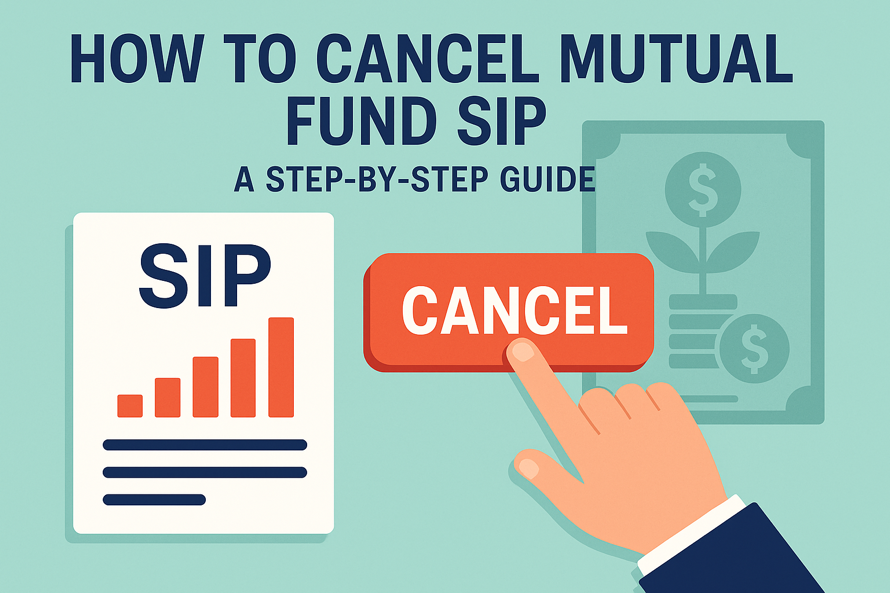
A Systematic Investment Plan, or SIP, lets you invest a fixed amount regularly (say monthly or quarterly) into a mutual fund. You set it up once, link your bank mandate or UPI instruction, and the investment happens automatically. It’s a disciplined approach: you don’t chase timing, you just stay invested. Over time, this builds up your portfolio through rupee cost averaging and lets you benefit from compounding.
Why Investors Cancel SIPs
Despite the advantages, investors sometimes decide to cancel SIPs. Why? Many reasons. Maybe their financial goal changed. Maybe the fund’s performance disappointed. Maybe job loss, cash flow crunch, or simply too many SIPs running simultaneously. Sometimes investors panic during market dips and pull out early. Others want to switch strategies or pause for a while. Whatever the reason, cancellation is a valid option, but one that should be handled carefully.
“Start investing with confidence! Explore the best
mutual funds
and grow your wealth.”
Things to Know Before Cancelling an SIP
Exit Load and Lock-in Periods
Before you hit the “cancel” button, check whether your scheme carries an exit load or lock-in period. Some mutual funds have lock-in durations (for example ELSS tax-saving funds with 3-year lock-in) which means you can’t redeem units within that period. If you cancel but try to redeem early, an exit load or tax penalty might apply. Even if you only stop the future instalments (the SIP mandate) and keep existing units, you should know the scheme rules.
Tax Implications of SIP Cancellation
Cancelling an SIP doesn’t mean your past investments become tax-free. When you redeem units, you incur capital gains tax—short-term or long-term depending on holdings and asset type. If you cancel the mandate but keep units, no immediate tax is applicable. If you redeem and leave the fund, tax applies. Always check your cost-basis, holding period and scheme category (equity vs non-equity) for correct tax treatment.
Impact on Long-Term Wealth Creation
One of the biggest risks of cancelling an SIP prematurely is missing out on long-term compounding. Markets recover, companies grow, and early exits often cap potential. If you cancel because of short-term fear, you might derail your wealth-creation plan. So, be aware that cancellation is a decision, not just a click. Assess how it affects your long-term investment horizon.
Ways to Cancel a Mutual Fund SIP
Cancelling SIP Online
Through AMC Website or Mobile App
Most mutual funds let you cancel online. Log into the fund’s website or mobile app, go to your active SIPs section, select the SIP you want to stop, and choose “Cancel” or “Stop Future Instalments”. Confirm your bank/UPI mandate is cancelled. You’ll get a confirmation message. Easy, fast, done within minutes.
Through a Demat Account or Broker Platform
If your SIP is routed via a demat account or broker platform, you can cancel through the broker’s SIP dashboard. Navigate to “My Investments > SIP Mandates”, select the scheme, click “Stop / Cancel Mandate”, and confirm. Always check your bank statement to verify that the debit mandates have ceased.
Cancelling SIP Offline
Submitting a Written Request to AMC/Registrar
If you prefer paper, you can print the cancellation form from the fund’s website, fill in your details (folio number, scheme, SIP frequency), sign it, and submit it to the Registrar & Transfer Agent (RTA) or fund branch. The processing may take longer (7-10 working days), but it is perfectly valid.
Cancelling via Bank Standing Instruction
Some SIPs originate via bank standing instructions (SI). You can visit your bank branch, request to cancel the standing instruction linked to the SIP, or log into your net-banking and delete the mandate under “Manage Mandates”. Once the bank stops debit, no more installments flow. This effectively cancels the SIP.
Cancelling SIP via Net Banking/UPI Mandate
For UPI-linked SIPs or e-mandates, you can cancel directly through your UPI app (Google Pay, PhonePe, BHIM) or net-banking “e-Mandate” section. Go to Mandates, locate the mutual fund SIP, and choose “Revoke / Cancel”. Your bank sends a confirmation, and future SIPs will stop. Always verify the next scheduled debit doesn’t happen.
Step-by-Step SIP Cancellation Process
Logging into AMC or Broker Platform
Open the website or mobile app of your mutual fund (AMC) or broker. Log in with your user ID, password, and OTP. Navigate to your portfolio or “My Investments” section. You’ll see “Active SIPs / Mandates”.
Selecting the SIP to Cancel
Scroll to the list of your active SIPs. Each entry shows the Scheme Name, SIP Amount, Frequency, and Start Date. Choose the SIP you intend to stop. Click “Cancel” or “Stop Future Payments”. Confirm details (folio, bank mandate ID) and click “Proceed”.
Confirming and Submitting Cancellation Request
The system will ask for confirmation, “Do you want to cancel future installments of this SIP?” Accept. You might receive an OTP or PIN. Once you submit, a message appears: “Your request has been recorded; next instalment will not be debited.” Save the confirmation screen or email for your record.
Processing Timeline for SIP Cancellation
After submission, the fund house processes the change. Debits usually stop from the next installment date. If you cancel after the cutoff for the next debit date, you may still get charged one more installment. So, it’s wise to cancel at least 5–7 days before your next SIP debit date. Within 1-2 business days, you’ll receive an email/SMS confirming cessation of mandate.
Alternatives to Cancelling a SIP
Pausing an SIP Instead of Cancelling
If you’re short on cash but want to stay invested, pause the SIP. Many AMCs allow you to skip a few installments or suspend the SIP for a fixed period (3-6 months). That way, you remain invested in your units, avoid re-registration later, and restart when ready.
Reducing SIP Amount
Rather than stopping entirely, lower your SIP amount. If you were investing ₹10,000 per month, you can reduce it to ₹2,000 or ₹5,000. This preserves continuity, retains investor discipline, and keeps your long-term goal intact.
Switching to Another Mutual Fund
Sometimes the reason for cancellation is fund performance or strategy. Instead of cancelling, switch to another mutual fund scheme. You retain systematic discipline but change the fund. This can be done online, and often without additional cost if within the same fund house.
Expert Tips for Managing SIPs
Aligning SIPs with Financial Goals
Always match your SIP with a goal, retirement, child’s education, or down payment. The fund, duration, and amount should reflect the objective. Revisit your goals annually. If your timeline, risk appetite, or cash flow has changed, adjust rather than cancel reflexively.
Avoiding Emotional Decisions Based on Market Fluctuations
Market dips scare many investors. They cancel an SIP because their fund’s value drops 10-20%. That’s usually the worst time to cancel. SIPs work best during volatility. Keep calm. Review facts, not feelings. Stay disciplined.
Reviewing SIP Performance Regularly
Once or twice a year, check your SIP’s performance. Are you meeting your goal? Is the fund still aligned with your risk? If you spot red flags, fund manager changes, strategy drift, or low returns, consider switching. But cancelling purely due to a market move isn’t prudent.
Conclusion – Should You Cancel Your SIP?
Cancelling your SIP is a valid decision if it’s intentional, informed, and aligned with your financial reality. But too often, investors hit “cancel” on a whim during a market wobble. Remember: an SIP is a long-term journey tool. Before cancelling, weigh the tax consequences, impact on compounding, and alternative options (pause or reduce). If your goal has shifted, cash flow has changed permanently, or your fund no longer fits your strategy, then cancel. Otherwise, staying the course may work best in the long run.
FAQs
Q1: How long does it take to cancel an SIP in India?
Typically, 1 to 2 business days for the mandate to reflect, but to avoid an extra debit installment, cancel at least 5-7 days before your next scheduled date.
Q2: Can I restart a SIP after cancelling it?
Yes. You can initiate a fresh SIP anytime. You’ll need to submit a new mandate (bank or UPI), choose the amount and frequency again.
Q3: Is there any penalty for cancelling an SIP?
No direct penalty. But if your investment is in a scheme with an exit load or lock-in (like ELSS), redeeming early may carry charges or tax impact. Cancelling the mandate alone has no penalty.
Q4: Can I cancel SIP online through my broker’s app?
Absolutely. Most brokers integrate with fund houses, so you can cancel via the broker’s SIP or mandate dashboard. Just ensure the next debit doesn’t happen.
Q5: What is the difference between pausing and cancelling a SIP?
Pausing means you stop future installments temporarily but retain your invested units. Cancelling means stopping future installments permanently (or until you re-initiate) and indicates you’re not committing to that SIP plan any further.
Disclaimer
The stocks mentioned in this article are not recommendations. Please conduct your own research and due diligence before investing. Investment in securities market are subject to market risks, read all the related documents carefully before investing. Please read the Risk Disclosure documents carefully before investing in Equity Shares, Derivatives, Mutual fund, and/or other instruments traded on the Stock Exchanges. As investments are subject to market risks and price fluctuation risk, there is no assurance or guarantee that the investment objectives shall be achieved. Lemonn (Formerly known as NU Investors Technologies Pvt. Ltd) do not guarantee any assured returns on any investments. Past performance of securities/instruments is not indicative of their future performance.
Related Posts


Download Lemonn
Download my mutual fund app - your mutual funds, stock, invest in ipo, mf, trade invest hub with demat account features.