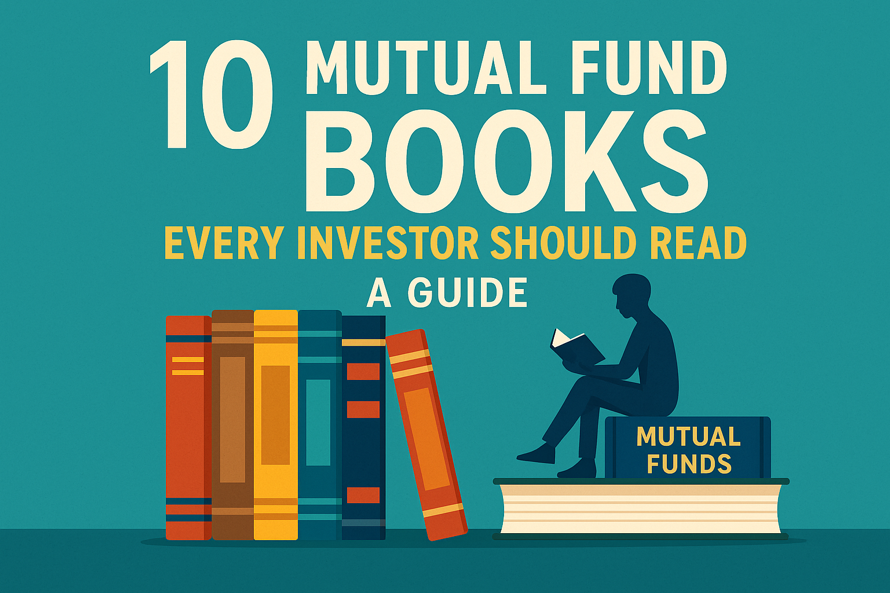
10 Mutual Fund Books Every Investor Should Read: A Guide
Why Reading About Mutual Funds Matters for Investors
Every investor steps into the market with so many questions, doubts, and misgivings. Some seek direction. Some look for a structured way to enter the markets. Others simply want a calm, steady voice guiding them through the plethora of financial choices. Books provide that grounding.
Importance of Financial Literacy in Investing
Financial literacy can transform the way an investor views the market. Concepts no longer appear alien. NAV, returns, expense ratios, and risk categories start to sound familiar. Books breathe life into these ideas.
“Start investing with confidence! Explore the best
mutual funds
and grow your wealth.”
How Books Help Build a Strong Investment Mindset
Mindset decides how an investor behaves when markets shift their rhythm. Books shape that mindset with stories, case studies, lived experiences, and honest reflections. They highlight patience, discipline, long-term calm, and a focus on fundamentals. These traits evolve slowly, one idea at a time. Over time, readers carry a stronger inner compass — stable, mature, and confident.
What to Look for in a Good Mutual Fund Book
A good book feels like a conversation. It guides one without talking down. It simplifies without removing depth. The writing flows naturally. Each concept sits comfortably in the reader’s mind. Good mutual fund books help readers connect knowledge with intuition.
Practical Insights vs. Theoretical Knowledge
Some books rely heavily on models. Others lean on everyday examples. The best ones blend both in a deft balance. They introduce principles and then anchor them in the real world. They show how ideas behave in practice — during market surges, sideways phases, and quieter months. This mix gives readers usable clarity rather than information overload.
Beginner-Friendly vs. Advanced-Level Guides
Beginners need warmth, simplicity, and guidance that moves at their pace. Advanced readers want sharper depth, analytical angles, and refined strategies. The best Mutual Fund Books understand these differences. They build a bridge between beginner comfort and advanced insight, giving every reader a path forward.
Books That Explain Mutual Fund Strategies Clearly
Strategy books demystify the mechanics of investing. They explain diversification in a clean, grounded tone. They outline SIP discipline, allocation decisions, and the logic behind long-term compounding.
Top 10 Mutual Fund Books for Every Investor
These books shaped generations of investors. Each one offers a different flavor — some philosophical, some technical, some deeply practical. Together, they provide a complete learning experience.
1. “Common Sense on Mutual Funds” by John C. Bogle
Bogle writes like a mentor who has seen every market cycle. His tone feels firm, clear, and deeply rooted in experience. He emphasizes cost efficiency, simplicity, and long-term patience. Every chapter delivers a precise lesson that stays with the reader.
2. “The Bogleheads’ Guide to Investing” by Taylor Larimore, Mel Lindauer, and Michael LeBoeuf
Warm, practical, and full of everyday wisdom. The book gives readers a roadmap built on common sense. It covers saving habits, low-cost investing, and practical portfolio thinking. The friendly tone makes it easy to absorb even complex concepts.
3. “The Little Book of Common Sense Investing” by John C. Bogle
Another gem from John Bogle, this book compresses profound wisdom into tight, punchy chapters. Bogle breaks down index investing with such clarity that readers feel instantly grounded. The ideas flow effortlessly. Nothing feels forced or complicated.
4. “Mutual Funds for Dummies” by Eric Tyson
Eric Tyson speaks directly, almost like a friend explaining ideas over a cup of tea. He keeps the tone simple, playful, and highly digestible. The book suits beginners who want straightforward explanations and a smooth entry into the world of funds.
5. “Morningstar’s 30-Minute Money Solutions” by Christine Benz
Christine Benz understands that modern readers move fast. Her book delivers compact, actionable lessons. Every chapter focuses on one specific challenge. The clarity feels refreshing. Readers walk away with ideas they can apply immediately.
6. “The Intelligent Investor” by Benjamin Graham
A monumental classic that shaped countless investment philosophies. Graham speaks with an analytical depth that sharpens thinking. He introduces powerful ideas around discipline, logic, and long-term steadiness. The book enriches an investor’s mental framework.
7. “The Only Investment Guide You’ll Ever Need” by Andrew Tobias
Tobias writes with humor and a lively rhythm. He breaks down personal finance with charm and wit. Mutual funds become easier to grasp through his engaging storytelling. The tone keeps readers hooked while delivering valuable insights.
8. “Unshakeable: Your Financial Freedom Playbook” by Tony Robbins
Tony Robbins brings energy, clarity, and structure. His book blends expert interviews with practical financial routines. Readers learn how strong allocation and consistent behavior build long-term security. The tone feels bold and motivating.
9. “The Coffeehouse Investor” by Bill Schultheis
A relaxed and refreshing read. Schultheis champions simplicity in an easygoing tone. He encourages calm investing through balanced portfolios. His writing feels both comforting and insightful.
10. “Winning the Loser’s Game” by Charles D. Ellis
Ellis approaches investing with elegant simplicity. He explains why disciplined strategies outperform complex ones. His writing feels sharp, direct, and deeply thoughtful.
Key Lessons from These Must-Read Mutual Fund Books
Each book adds a unique layer of wisdom. When combined, these lessons help develop a sound investment mindset.
The Power of Index Investing
Index investing leans on simplicity and broad exposure. Book after book highlights its consistency. Readers learn how markets reward patience and steady participation. The message feels clear and timeless.
Diversification and Risk Management
Diversification spreads exposure, leading to smoother investment performance. Books explain this concept through relatable examples. Readers gain a natural understanding of balance. This insight stays relevant across every market phase.
Long-Term Investing Mindset
Long-term investing thrives on discipline. Books educate readers on how to avoid short-term noise and stay focused on goals. This mindset becomes a powerful tool for financial growth.
Avoiding Common Mutual Fund Mistakes
Books explain how to avoid impulsive decisions, such as selling mutual fund units when markets tank. They highlight clarity over excitement. With simple examples, they guide readers toward steadier outcomes. These lessons help create strong long-term investment habits.
Who Should Read These Mutual Fund Books
These books cater to different types of readers. Each group finds value in its own way.
Beginners Starting Their Investment Journey
Beginners gain comfort, direction, and confidence. The writing guides them without pressure. Concepts feel approachable. Ideas flow naturally, leading to better investment decisions.
Experienced Investors Seeking Strategy Refinement
Experienced readers appreciate the depth and nuance these books offer. They learn advanced frameworks and sharpen their thinking. Each book adds a new dimension to their strategy.
Financial Advisors and Finance Students
Advisors and students rely on structured understanding. These books deliver strong foundational material. They bridge academic concepts with real-world examples. This combination strengthens their professional approach.
How to Apply Insights from Mutual Fund Books in Real Life
Reading alone does not guarantee progress. Application does. Books guide. Actions transform those ideas into results.
Setting Clear Investment Goals
Clear goals create focus. Books encourage readers to think about timelines, purpose, and comfort levels. This clarity simplifies fund selection and planning.
Choosing the Right Mutual Funds
Books teach readers how to compare costs, evaluate categories, and study past performance patterns. This structure makes selection easier. Readers feel more confident in their choices.
Building a Balanced Portfolio
Balanced portfolios mix equity, debt, and hybrid funds. Books explain how this blend lends stability to investment portfolios. Readers learn to create portfolios that match their personal rhythm and goals.
Conclusion
This collection of mutual fund books offers wisdom that grows with every re-read. They sharpen understanding, strengthen instincts, and help investors stay grounded.
Key Takeaways from the Best Mutual Fund Books
These books highlight simplicity, clear routines, and long-term thinking. Readers carry away easy-to-apply lessons. Each idea helps them build stronger financial habits.
Why Continuous Learning Is Key to Investment Success
Continuous learning keeps an investor sharp. Each new lesson adds depth. Every book strengthens judgment. This habit supports lifelong financial improvement.
FAQs on Mutual Fund Books
Q1: Which is the best book to start learning about mutual funds?
“Mutual Funds for Dummies” offers a straightforward introduction with easy explanations.
Q2: Are John Bogle’s books suitable for Indian investors?
Yes, his principles work globally because they focus on universal investment behavior.
Q3: Do I need prior financial knowledge to understand mutual fund books?
Beginner-friendly books make learning easy for first-time readers.
Q4: Which books cover both mutual funds and personal finance?
Books by Andrew Tobias and Christine Benz blend both areas in a natural flow.
Q5: How can mutual fund books help in improving long-term returns?
They build discipline and clarity, which shape stronger long-term decisions.
Q6: Are there any Indian authors who have written good books on mutual funds?
Yes, several Indian authors share practical insights suited for local markets.
Q7: What are the top books for advanced mutual fund investors?
Advanced investors often explore “The Intelligent Investor” and “Winning the Loser’s Game.”
Disclaimer
The stocks mentioned in this article are not recommendations. Please conduct your own research and due diligence before investing. Investment in securities market are subject to market risks, read all the related documents carefully before investing. Please read the Risk Disclosure documents carefully before investing in Equity Shares, Derivatives, Mutual fund, and/or other instruments traded on the Stock Exchanges. As investments are subject to market risks and price fluctuation risk, there is no assurance or guarantee that the investment objectives shall be achieved. Lemonn (Formerly known as NU Investors Technologies Pvt. Ltd) do not guarantee any assured returns on any investments. Past performance of securities/instruments is not indicative of their future performance.
Related Posts

Download Lemonn
Download my mutual fund app - your mutual funds, stock, invest in ipo, mf, trade invest hub with demat account features.