Best Gold Mutual Funds in India: A Guide
Introduction to Gold Mutual Funds
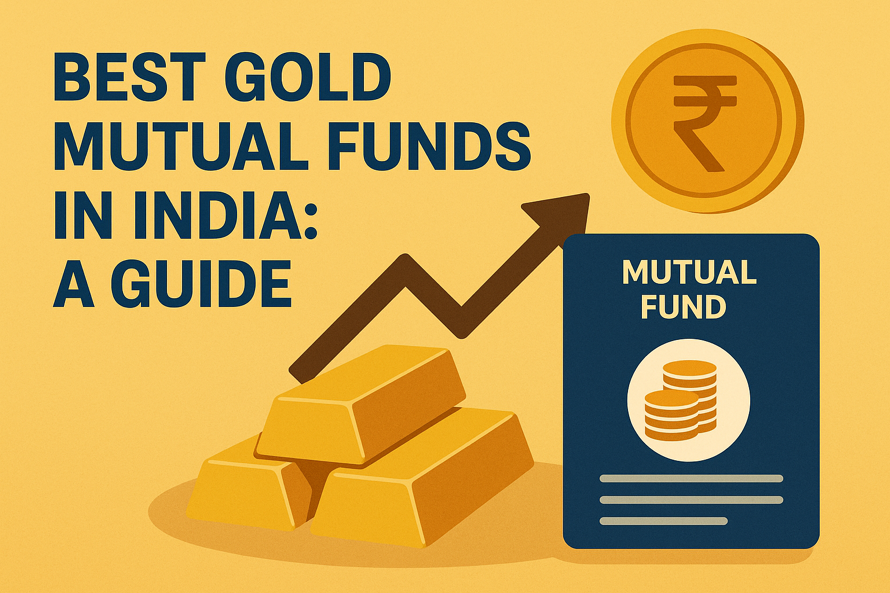
Gold mutual funds have become a preferred gateway into India’s rising demand for digital gold exposure. The category grows stronger every year because investors want convenience, transparency, and easy entry without worrying about purity, storage, or resale negotiations.
A gold mutual fund brings structure to something that traditionally felt scattered. It blends global gold price movements with everyday investing tools such as SIPs, redemptions, and online transactions. The mix gives investors an easy way to access a timeless asset class during economic cycles where currency pressure, inflation spikes, and geopolitical uncertainty move the narrative faster than ever.
What Are Gold Mutual Funds?
A gold mutual fund invests primarily in underlying gold ETFs, which themselves hold 24K gold of 99.5 percent purity. This creates a precise link between fund NAV and international gold prices. Investors buy units just like any other mutual fund. No lockers. No premiums. No making charges. The simplicity of the gold mutual fund format makes it appealing to both new and experienced investors.
“Start investing with confidence! Explore the best
mutual funds
and grow your wealth.”
How Do Gold Mutual Funds Work?
The fund manager collects investor capital and deploys it into gold ETFs. These ETFs hold physical bullion in secure vaults regulated by the RBI and international custodians. NAV reacts instantly to changes in global gold benchmarks like LBMA (London Bullion Market Association) prices. Every movement in currency rates, inflation indicators, or safe-haven sentiment is reflected directly in the gold mutual fund. The structure remains transparent and easy to track in real time.
Why Investors Prefer Digital Gold Over Physical Gold?
Investors gravitate toward gold mutual funds because physical gold introduces friction—storage risk, purity doubts, and fluctuating making charges. A gold mutual fund eliminates all of this. Liquidity becomes instant. Valuation becomes exact. Selling takes just seconds. Investors who want precision choose the gold mutual fund route, especially in an age where digital portfolios dominate wealth-building strategies.
Why Invest in Gold Mutual Funds in 2026
A gold mutual fund fits 2026’s market environment perfectly. With inflation running in unpredictable cycles, global tensions rising, and currencies moving aggressively, investors want an asset that stays independent from equity markets.
Hedge Against Inflation and Market Volatility
Gold holds its position when markets tumble. Inflation weakens purchasing power, but gold tends to strengthen during these phases. A gold mutual fund captures this behavior without demanding physical ownership. When uncertainty spikes, gold stabilizes the portfolio.
Portfolio Diversification Benefits
Gold adds a powerful non-correlated layer to an equity-heavy portfolio. When stocks move erratically, gold often moves in the opposite direction. Including a gold mutual fund in the asset mix creates smoother long-term compounding.
Liquidity and Ease of Investment
One tap and the investment appears in your portfolio. Another tap and it’s redeemed. A gold mutual fund offers remarkable liquidity compared to physical gold, which requires jeweler negotiations or pawnshop deals. Investors appreciate this friction-free experience.
Top Gold Mutual Funds in India by AUM
As of 25 November 2025, these Gold Mutual Funds lead the category in size and consistency:
| Fund Name | AUM (₹ Cr) | 1Y Return | 3Y Return | 5Y Return | Expense Ratio |
|---|---|---|---|---|---|
| SBI Gold Fund | ₹5,280 Cr | 12.4% | 17.2% | 14.1% | 0.89% |
| HDFC Gold Fund | ₹4,610 Cr | 11.8% | 16.4% | 13.7% | 0.90% |
| Nippon India Gold Savings Fund | ₹3,950 Cr | 13.1% | 18.1% | 14.8% | 0.82% |
| ICICI Prudential Regular Gold Savings Fund | ₹3,420 Cr | 11.6% | 16.0% | 13.3% | 0.91% |
| Aditya Birla Sun Life Gold Fund | ₹2,870 Cr | 12.2% | 17.4% | 13.9% | 0.94% |
| Kotak Gold Fund | ₹2,520 Cr | 12.5% | 17.8% | 14.6% | 0.86% |
| Axis Gold Fund | ₹1,980 Cr | 11.1% | 15.9% | 13.1% | 0.95% |
| Invesco India Gold Fund | ₹1,410 Cr | 12.9% | 17.6% | 14.3% | 0.88% |
Data sources: Dhan, Smallcase.com
Comparative Performance of Leading Gold Mutual Funds
A Gold Mutual Fund reflects three layers of movement: global bullion price, INR/USD exchange rate, and domestic liquidity flows. Their combined effect shapes long-term returns.
1-Year, 3-Year, and 5-Year Returns
2025 shows strong performance because international gold prices rose amid geopolitical tensions and weakening global bond yields. Over five years, the top gold mutual funds held double-digit CAGR, making them competitive with equity-oriented hybrid funds during volatile periods.
Expense Ratios and AUM (Assets Under Management)
Gold mutual funds operate as fund-of-fund structures. Expense ratios stay slightly higher than pure ETFs but remain reasonable relative to convenience. Funds with larger AUM exhibit smoother tracking and lower volatility in NAV movement.
Fund Manager Track Record and Consistency
Consistency matters. Gold mutual fund managers with proven ETF management experience handle volatility better. Funds like Nippon, SBI, and Kotak maintain disciplined rebalancing during currency spikes or sudden surges in international bullion prices.
Historical NAV Performance Trends
Over the past decade, NAV patterns show smooth upward momentum punctuated by sudden rallies during economic downturns. These spikes facilitate the role of a gold mutual fund as a strategic hedge.
How to Choose the Best Gold Mutual Fund
Filters matter. A gold mutual fund looks simple on paper, but small differences in structure create meaningful performance gaps.
Factors to Consider Before Investing
Look at AUM stability, expense ratio efficiency, tracking error, and fund manager experience. These four parameters determine long-term reliability.
Risk vs. Return Analysis
A gold mutual fund moves with global news cycles. Investors should understand that returns don’t follow a steady pattern. They come in bursts shaped by macro triggers.
Ideal Investment Horizon for Gold Funds
Five to seven years works best. Short-term traders often misunderstand gold’s rhythm. But a gold mutual fund compounds well across full cycles.
Gold ETFs vs. Gold Mutual Funds
Both instruments mirror international gold prices but operate differently.
Key Differences in Structure and Cost
Gold ETFs require a demat account to be bought and sold on the stock exchange. Gold mutual funds don’t. ETFs trade like stocks every minute. Gold mutual funds follow mutual fund NAV cycles. ETFs offer lower expense ratios. Funds offer accessibility and SIP options.
Which Option Is Better for Retail Investors?
Retail investors who want SIPs, auto-debits, and easy redemption go for gold mutual funds. Those who already trade actively may prefer ETFs. Both serve different types of investors effectively.
Taxation on Gold Mutual Funds in India
Gold Mutual Funds follow debt fund taxation rules.
Short-Term and Long-Term Capital Gains
From July 23, 2024, the tax treatment of returns from gold mutual funds changed. Accordingly, short-term gains (less than 12 months) will be taxed at the investor’s slab rate. At the same time, LTCG will apply to holdings held for more than 12 months at a rate of 12.5%, with no indexation.
Indexation Benefits and Exit Load Details
Indexation reduces tax liability on long-term gains. Exit loads depend on the fund but typically apply when redeeming within a short lock-in window.
Expert Insights on Gold as an Investment in 2026
Analysts view 2026 as an important year where gold reacts to shifting global liquidity cycles.
Impact of Global Gold Prices
Gold reacts to real interest rates. Lower yields worldwide often push gold higher. A gold mutual fund automatically rides these shifts.
RBI Policies and Indian Gold Demand Trends
RBI’s reserve accumulation and India’s festive seasons continually support domestic gold interest. These patterns influence demand cycles.
Analyst Outlook on Gold-Based Investments
Analysts expect strong price floors because central banks diversify reserves. This supports the performance of gold mutual funds even when markets gyrate.
Conclusion
A gold mutual fund blends safety, convenience, and long-term stability.
Summary of the Best Gold Mutual Fund Options
SBI, Nippon, Kotak, HDFC, and Aditya Birla Sun Life remain the most consistent. Their AUM, lower tracking errors, and seasoned teams keep them in the lead.
Should You Invest in Gold Mutual Funds in 2026?
If your goal includes diversification, inflation protection, and low maintenance, consider including a gold mutual fund in your investment portfolio, not as a replacement for equity, but as a stabilizer during unpredictable cycles.
FAQs on Gold Mutual Funds in India
Q1: Which is the best gold mutual fund to invest in India in 2026?
SBI Gold Fund, Nippon India Gold Savings Fund, and Kotak Gold Fund stand out due to their large AUMs and high consistency.
Q2: Are gold mutual funds safe for long-term investment?
A gold mutual fund is subject to gold price swings but can work well as a long-term hedge.
Q3: How do gold mutual funds differ from gold ETFs?
A gold mutual fund invests in gold ETFs, while ETFs trade directly on exchanges.
Q4: What is the minimum investment required for gold mutual funds?
SIPs start from ₹100 in most AMCs.
Q5: How are returns from gold mutual funds taxed?
They follow debt fund taxation, with STCG and LTCG classifications.
Q6: Can SIPs be started in gold mutual funds?
Yes. All major gold mutual funds offer SIP options.
Q7: What factors affect gold mutual fund performance in India?
Global bullion prices, USD-INR movement, central bank buying, and geopolitical trends.
Disclaimer
The stocks mentioned in this article are not recommendations. Please conduct your own research and due diligence before investing. Investment in securities market are subject to market risks, read all the related documents carefully before investing. Please read the Risk Disclosure documents carefully before investing in Equity Shares, Derivatives, Mutual fund, and/or other instruments traded on the Stock Exchanges. As investments are subject to market risks and price fluctuation risk, there is no assurance or guarantee that the investment objectives shall be achieved. Lemonn (Formerly known as NU Investors Technologies Pvt. Ltd) do not guarantee any assured returns on any investments. Past performance of securities/instruments is not indicative of their future performance.
Related Posts

Download Lemonn
Download my mutual fund app - your mutual funds, stock, invest in ipo, mf, trade invest hub with demat account features.