How to Track UPI Reference Number?
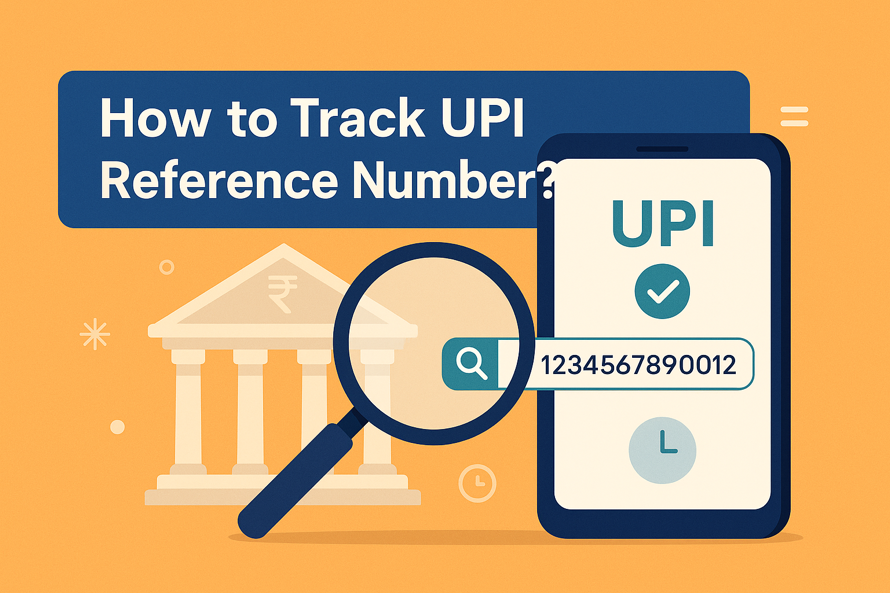
Introduction to UPI Transactions
UPI has emerged as the most trusted payment system in India, and almost every digital transfer routes through it. Every time money moves between two accounts, a unique digital trail gets created. That trail is built around something simple but extremely important — the UPI reference number.
Anyone who sends or receives money would eventually need this number for one reason or another. It helps banks trace a transfer, verify its status, or understand why a payment is delayed. This number sits quietly inside your transaction history, yet it drives the entire dispute-resolution process. Once someone learns how it works, following a payment becomes more manageable and less stressful.
What is UPI (Unified Payments Interface)?
UPI is a real-time payment system built by the National Payments Corporation of India (NPCI). It moves money instantly between bank accounts using mobile apps such as Google Pay, PhonePe, Paytm, and BHIM. Instead of remembering long account numbers, users rely on simple IDs, QR codes, or phone numbers. UPI connects people, banks, and merchants into a single network where transfers flow 24×7, even on holidays.
“Start investing with confidence! Explore
0 demat account
and grow your wealth.”
What is a UPI Reference Number?
Every UPI transaction carries a unique tracking code. Apps display it as UPI Ref No, Transaction ID, RRN, or sometimes UPI Transaction Number. Banks rely on this number to identify your specific transaction inside their systems. If a transfer shows a delay, glitch, or mismatch, the reference number is what allows support teams to trace the entire path from the sender’s bank, through the UPI rails, to the receiver’s bank.
Why Tracking UPI Reference Number is Important
Tracking a UPI reference number makes resolving any payment question easier. It helps verify whether funds reached the right account, whether they passed through NPCI, whether a reversal is due, or if the receiving bank needs more time. This number becomes the bridge between the user and the bank teams when a complaint is raised. It also helps users keep clean records of payments made to merchants, utility companies, or individuals.
Where to Find UPI Reference Number
Every UPI app and every bank generates the reference number automatically. It appears in multiple places, which makes retrieval simple even days later. Once someone understands where to look, it becomes part of routine payment checks.
On UPI Apps (PhonePe, Google Pay, Paytm, BHIM, etc.)
UPI apps show the reference number inside the transaction details. When a user taps on a recent payment, the app opens a full summary page. This page displays the amount, the recipient name, the bank, the status, the time, and the reference number. PhonePe labels it as UPI Ref No, Google Pay often shows UPI Transaction ID, and BHIM mentions RRN. Even older payments can be viewed with a few taps.
On Bank SMS Alerts and Email Statements
Banks send instant SMS alerts after every debit or credit. These alerts display the reference number near the end of the message. Email statements also list the number in the narration column. Anyone who deletes messages can still find the reference number inside monthly statements.
On Bank Passbook/Net Banking Transaction History
Passbook entries show UPI transfers with a short description that includes the reference number. Net banking platforms list it under the “Remarks,” “UPI,” or “Reference” sections. This becomes helpful when someone needs transaction details beyond what apps show.
Step-by-Step Guide to Track UPI Reference Number
Tracking becomes simple once you know which route to follow. The steps work across banks and apps because UPI records are synchronized across the ecosystem.
Tracking Through UPI App Transaction History
Open the app, tap Payment, then scroll down to Transaction Details. The reference number appears alongside the transaction status. If someone needs to verify a delay or check a credit, they can share this number with their bank for a trace.
Tracking Using Bank Net Banking or Mobile Banking
Inside net banking, choose the account, open the transaction list, and select the UPI entry. Every bank system stores the reference number in its ledger. This helps in cases where the UPI app fails to load history or shows outdated information.
Contacting Bank Customer Care with Reference Number
Bank support teams use the reference number to check timestamps, routing, and the status of the UPI message inside the NPCI switch. This number lets them confirm whether the receiving bank is processing the payment, whether a credit is due, or whether a reversal is underway.
Using NPCI UPI Complaint Portal
NPCI’s UPI help portal allows users to raise complaints using the reference number. The system matches bank records and pushes the ticket to the right bank. The portal also assists with delayed credits and unsettled payments.
Common Issues in UPI Transactions
UPI works without a hitch most of the time, yet there are instances where tracking becomes necessary. These situations arise due to network delays, bank loads, or incorrect details entered during the transfer.
Transaction Pending or Stuck
Sometimes the transaction status shows processing. This usually means the banks are syncing records or the receiving system is under load. Tracking the reference number helps confirm where the delay occurred.
Money Debited but Not Credited
In rare cases, money leaves the sender’s account yet does not reflect instantly in the receiver’s account. The reference number helps teams check whether the amount is still in settlement or moving toward reversal.
Wrong UPI ID Entered
If a UPI ID is entered incorrectly, the system may send money to a different account. Tracking with the reference number becomes the only reliable way to confirm the destination.
How Banks Resolve UPI Reference Number Queries
Banks use centralized systems to trace the movement of funds. Once they receive the reference number, they run checks across UPI logs, timestamps, and bank messages.
Typical Resolution Timeline (T+1 or T+2 Days)
Most UPI disputes settle within one or two working days. The reference number helps teams locate the transaction instantly, which cuts resolution time.
Role of NPCI in UPI Dispute Resolution
NPCI sits between banks and acts as the UPI switch. When a dispute arises, it communicates with banks using the reference number to confirm whether the transaction passed through the switch successfully.
Refund Process for Failed Transactions
If UPI systems detect a mismatch or failure, refunds get initiated automatically. The reference number ensures the right entry gets reversed. Refunds usually reflect within standard turnaround time.
Tips for Safer UPI Transactions
Safe UPI behavior reduces the chance of confusion or disputes. Users can improve their payment experience by following simple habits.
Always Note Down UPI Reference Number
Saving or taking a screenshot of the reference number helps during disputes. It ensures easy retrieval when tracer teams ask for details.
Double-Check the Recipient UPI ID Before Transfer
Verifying the receiver ID or QR code saves trouble later. A quick check helps ensure accuracy.
Use Trusted Apps and Secure Internet Connections
Using reliable UPI apps and a stable internet leads to smoother transactions. It also helps avoid interruptions during transfers.
Conclusion – Importance of UPI Reference Number in Dispute Resolution
The UPI reference number sits at the heart of every transfer. It tracks money across apps, banks, and the central switch. Whenever users face delays, mismatches, or unclear status, this number becomes the most critical detail for banks and support teams. Learning how to find and use it brings clarity and confidence to digital payments. Anyone who uses UPI regularly benefits from understanding this essential part of the system.
FAQs
Q1: How can I find my UPI reference number for a transaction?
Open the UPI app, tap the payment entry, and check the transaction details. The reference number appears next to the status.
Q2: Can I track a UPI transaction with just the reference number?
Yes. Banks rely on this number to trace the exact payment route and status inside their systems.
Q3: How long does it take to resolve failed UPI transactions?
Most UPI reversals or settlement updates are complete within one or two working days, depending on bank processing.
Q4: What should I do if money is debited but not credited in UPI?
Use the reference number to raise a ticket with your bank. It helps them locate the transfer instantly.
Q5: Is the UPI reference number the same as the UTR number?
Both refer to the transaction ID. Some banks use the term UTR, while UPI apps call it the reference number.
Disclaimer
The stocks mentioned in this article are not recommendations. Please conduct your own research and due diligence before investing. Investment in securities market are subject to market risks, read all the related documents carefully before investing. Please read the Risk Disclosure documents carefully before investing in Equity Shares, Derivatives, Mutual fund, and/or other instruments traded on the Stock Exchanges. As investments are subject to market risks and price fluctuation risk, there is no assurance or guarantee that the investment objectives shall be achieved. Lemonn (Formerly known as NU Investors Technologies Pvt. Ltd) do not guarantee any assured returns on any investments. Past performance of securities/instruments is not indicative of their future performance.
Related Posts



Download Lemonn
Download my app for share market trading, ipo investment, trading account, and all your investment needs.