All About Loan Against Securities (LAS)
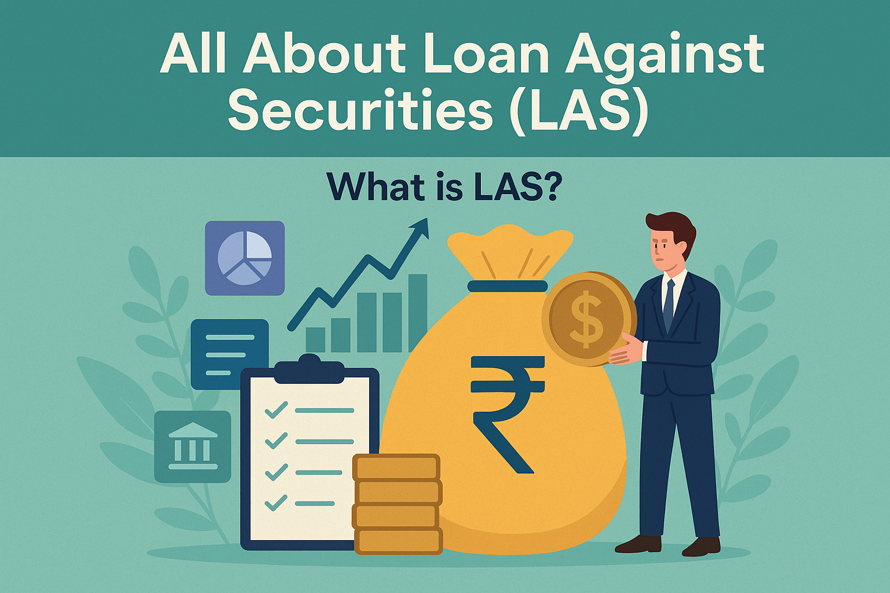
What is LAS?
A Loan Against Securities (LAS) lets investors unlock cash without selling their investments. You pledge your financial assets, like shares, mutual funds, or bonds, to a bank or NBFC and get a loan in return. It’s a simple concept: your investments become collateral, and you continue to own them while using their value to meet personal or business needs.
In India, LAS has grown popular among retail and high-net-worth investors because it offers liquidity without disturbing long-term investment plans. It’s quick, flexible, and doesn’t require you to part with assets that might appreciate later.
Why Investors Use Loans Against Securities
Investors use LAS for short-term funding, buying property, managing emergencies, covering business expenses, or even grabbing new investment opportunities. It’s especially useful when selling assets would trigger taxes or disrupt compounding returns.
For example, if your stock portfolio has ₹25 lakh in value, you could get a ₹10–12 lakh loan within hours by pledging it.
“Start investing with confidence! Explore
0 demat account
and grow your wealth.”
Benefits Over Traditional Loans
LAS stands out because it’s secured, fast, and low-cost compared to personal loans or credit cards. You don’t need income proofs like IT returns or salary slips, and the approval process is often digital. Since banks have your securities as collateral, interest rates are lower, usually between 9% and 12% annually, depending on the lender and asset quality. You also have the freedom to repay anytime without penalties.
Types of Securities Eligible for LAS
Shares and Equity Investments
Listed shares are the most common form of collateral under LAS. Banks and NBFCs approve loans against equities from approved companies listed on NSE or BSE. The Loan-to-Value (LTV) ratio typically ranges from 50% to 60%, depending on market volatility and the stock’s performance history.
Mutual Funds (Debt & Equity)
Mutual funds, both equity and debt, can also be pledged. Many lenders have tie-ups with fund houses that allow electronic pledging. Debt mutual funds generally attract higher LTVs (up to 80%) because they’re less volatile than equity schemes. Platforms like CAMS and KFintech have made this process digital, enabling instant lien marking and approvals.
Bonds and Debentures
Several institutions accept corporate bonds, government securities, and debentures. They’re preferred because they offer a steady income and lower risk than stocks. LTV ratios range from 65% to 75%, depending on the issuer’s credit rating and maturity.
Insurance Policies and Other Approved Securities
Certain life insurance policies with surrender value, along with ETFs and RBI Relief Bonds, also qualify. However, lenders evaluate each case individually. Generally, only non-term insurance policies are accepted as they have a measurable surrender value.
How Loan Against Securities Works
Eligibility Criteria for Borrowers
Most banks offer LAS to individuals, HUFs, NRIs, and corporate entities. Basic eligibility includes:
- Applicant should be 18 years or older
- Securities must be in the applicant’s name
- The securities must be listed or approved by the lender
- KYC and demat details must be verified
Many institutions, such as HDFC Bank, ICICI Bank, Axis Bank, and SBI, offer LAS products for both retail and business customers.
Loan-to-Value (LTV) Ratio Explained
The LTV ratio defines how much loan you can obtain relative to the value of your pledged securities. For example, if your share portfolio is worth ₹20 lakh and the lender’s LTV is 50%, your loan eligibility will be ₹10 lakh.
If the market value of the securities falls, the lender might ask you to top up collateral or repay part of the loan; this is called a margin call.
Interest Rates and Repayment Terms
Interest rates for LAS range between 8.5% and 12% per annum, usually lower than unsecured loans. Some lenders offer overdraft (OD) facilities, meaning interest is charged only on the amount utilized. Repayment terms can extend from 12 months to 36 months, and you can prepay anytime.
HDFC Bank, for instance, offers overdraft-based LAS starting at ₹10 lakh, while ICICI Bank provides digital LAS against mutual funds starting at ₹1 lakh.
Advantages of Loan Against Securities
Quick Access to Liquidity
LAS is among the fastest credit products in the market. Digital pledging of securities enables same-day disbursal. Compared to loans that require property verification or income checks, LAS gives instant access to cash with minimal paperwork.
Retaining Ownership of Investments
You keep earning dividends, interest, and capital gains while your assets are pledged. That means your wealth continues to grow, and you avoid selling during market dips. Once the loan is repaid, the lien is removed, and you regain full control of your securities.
Flexible Repayment Options
Borrowers enjoy flexibility in repaying principal and interest. Many choose the overdraft route, repaying as funds become available. There’s no compulsion to follow EMI structures. You can clear dues anytime, ideal for business owners and investors managing uneven cash flows.
Risks and Limitations of LAS
Market Volatility and Margin Calls
The biggest risk is market movement. If the value of pledged securities drops sharply, the lender may issue a margin call. You’ll need to either deposit more securities or repay part of the loan to restore the LTV ratio. Failure to do so can lead to forced liquidation of pledged holdings.
Limited Loan Value Compared to Security Value
LTV ratios cap the maximum loan you can access. For volatile securities like equities, you may get only 50% of the market value. So, if your ₹10 lakh stock portfolio swings lower, your loan limit might shrink overnight.
Risk of Losing Securities on Default
If repayments are missed, lenders have the legal right to sell pledged securities to recover dues. Though you retain ownership during the tenure, defaulting can permanently erase your holdings.
Loan Against Securities vs. Other Types of Loans
LAS vs. Personal Loan
Personal loans are unsecured, meaning they don’t need collateral. But that freedom comes at a cost; interest rates can touch 15%–24%, and approval takes longer. LAS, being secured, attracts lower rates and offers quicker disbursal.
LAS vs. Loan Against Property
Loan Against Property involves lengthy valuation, legal checks, and mortgage registration. It’s ideal for large amounts and long tenures. LAS, in contrast, is faster and better for short-term liquidity because the collateral is already liquid and market-linked.
LAS vs. Gold Loan
Gold loans also provide secured funding, but you need to pledge physical gold, which may not be convenient. LAS allows you to keep your investments intact digitally and use them as collateral. Plus, you can continue earning returns on them while availing the loan.
Key Things to Consider Before Taking LAS
Evaluating Interest Rates and Charges
Compare interest rates across lenders. Some may charge lower rates but include processing or maintenance fees. Check for prepayment penalties, renewal charges, and annual maintenance costs on overdraft facilities.
Understanding LTV and Margin Requirements
Before pledging securities, review how the lender manages LTV ratios. Stocks with high volatility may attract lower limits or frequent margin calls. If you’re pledging mutual funds or bonds, confirm how daily NAV movements affect your eligibility.
Choosing the Right Bank or NBFC
Opt for lenders with transparent valuations, quick digital processes, and flexible repayment terms.
- HDFC Bank LAS: Against shares and mutual funds; limits up to ₹5 crore.
- ICICI Bank LAS: Digital facility via CAMS/KFintech.
- Axis Bank LAS: Overdraft-based, up to ₹20 crore for HNIs.
- SBI LAS: Available for individuals and corporates with listed shares.
Conclusion – Is LAS the Right Choice for You?
A Loan Against Securities is one of the smartest ways to raise short-term funds without liquidating your investments. It’s fast, flexible, and cost-effective. For investors who understand market risks and maintain disciplined repayments, LAS can serve as a powerful liquidity tool.
However, you must keep an eye on market conditions. If your securities drop in value, the lender may ask for additional margin. Hence, LAS suits those with steady cash flows and diversified portfolios.
FAQs
Q1: What is the maximum loan amount I can get against securities?
Banks and NBFCs typically offer LAS from ₹1 lakh up to ₹20 crore, depending on the type and value of securities pledged.
Q2: Which securities are accepted for LAS in India?
Approved listed shares, mutual funds (equity and debt), bonds, debentures, ETFs, and life insurance policies with surrender value are eligible.
Q3: What happens if the value of my securities falls?
The lender may issue a margin call. You’ll need to pledge more securities or repay part of the loan to maintain the loan-to-value ratio.
Q4: Is LAS better than taking a personal loan?
Yes, for those who hold eligible securities. LAS offers lower interest rates, faster processing, and flexible repayment. Personal loans are better if you lack investments to pledge.
Q5: Can NRIs avail loan against securities in India?
Yes, many banks like HDFC Bank, ICICI Bank, and Axis Bank provide LAS to NRIs, subject to FEMA guidelines and approved security lists.
Disclaimer
The stocks mentioned in this article are not recommendations. Please conduct your own research and due diligence before investing. Investment in securities market are subject to market risks, read all the related documents carefully before investing. Please read the Risk Disclosure documents carefully before investing in Equity Shares, Derivatives, Mutual fund, and/or other instruments traded on the Stock Exchanges. As investments are subject to market risks and price fluctuation risk, there is no assurance or guarantee that the investment objectives shall be achieved. Lemonn (Formerly known as NU Investors Technologies Pvt. Ltd) do not guarantee any assured returns on any investments. Past performance of securities/instruments is not indicative of their future performance.
Related Posts
Download Lemonn
Download my app for share market trading, ipo investment, trading account, and all your investment needs.