
How to Invest in REITs on the Stock Exchange in India
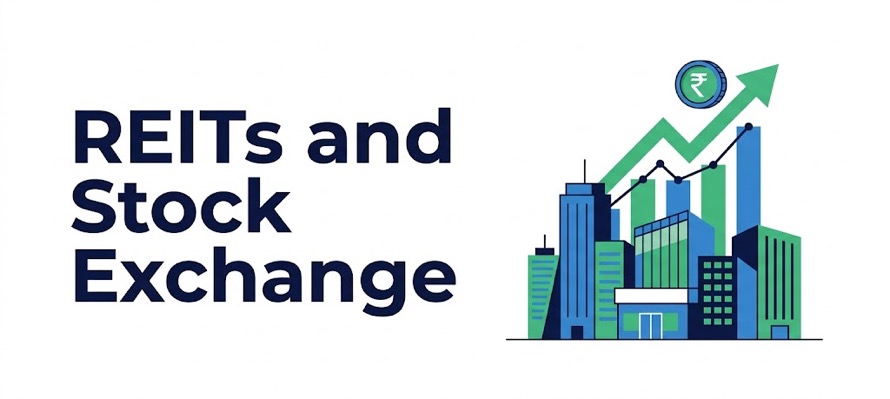
Investing in REITs is simpler than most people expect. You need the same tools you already have for buying stocks , a demat account, a trading account, and sufficient balance. No special permissions, no separate applications.
What You Need
- A demat and trading account (Lemonn , zero account opening fee, zero AMC)
- Sufficient balance to buy at least 1 REIT unit (typically Rs.300 to Rs.600)
- PAN card (already linked to your demat account)
- No separate REIT registration or application needed
Step-by-Step: Buying REIT Units on Lemonn
- Open the Lemonn app and go to the search bar
- Type the REIT symbol , EMBASSY, MINDSPACE, BIRET, or NEXUSSELECT
- Tap on the REIT and review the current price, yield, and recent distributions
- Tap Buy and select the order type (CNC for delivery , hold long-term)
- Enter the number of units you want to buy and set your price (limit order recommended)
- Confirm the order , units will be credited to your demat account on T+1
“Start investing with confidence! Explore
0 demat account
and grow your wealth.”
Key Metrics to Check Before Buying a REIT
| Metric | What to Check | Why It Matters |
|---|---|---|
| Distribution Yield | Annual distribution / Current unit price x 100 | Your income return on investment |
| Price-to-NAV | Current market price vs Net Asset Value per unit | At discount = potentially undervalued; at premium = expensive |
| Occupancy Rate | % of leasable area currently occupied by tenants | Above 85% is healthy; declining occupancy is a warning sign |
| WALE | Weighted Average Lease Expiry in years | Above 4 years provides income stability |
| Debt-to-Asset Ratio | Total debt / Total asset value | SEBI limit 49%; below 35% is conservative |
| Sponsor Quality | Who owns and manages the REIT | Institutional sponsors (Blackstone, Brookfield) preferred |
REIT Distribution Schedule
All four Indian REITs pay quarterly distributions. The payment typically arrives in your bank account within 2 to 3 working days of the distribution announcement. You must own the REIT units on the record date to qualify for that quarter’s distribution.
Building a REIT Portfolio
A simple approach: allocate 5 to 15% of your total investment portfolio to REITs and InvITs. Spread across 2 to 3 REITs for diversification. Embassy and Mindspace for office exposure, Nexus for retail exposure, and 1 to 2 InvITs (IndiGrid or PowerGrid) for infrastructure income.
FAQs
Can I do an SIP-style investment in REITs?
No automated SIP facility. You can set a calendar reminder to manually buy a fixed number of REIT units every month on Lemonn , effectively creating your own REIT SIP.
Is there a lock-in period for REIT investments?
No lock-in. You can buy and sell REIT units anytime during market hours, exactly like equity shares.
How are REIT returns compared to FDs?
REITs offer 6 to 8% distribution yield plus capital appreciation potential , better total returns than FDs (currently 7 to 7.5% with no capital upside). REITs carry more risk than FDs but significantly less than equity stocks.
Do REITs have any tax benefits?
The return-of-capital portion of distributions is tax-free (it reduces your cost basis). Long-term capital gains on REIT units held 36+ months are taxed at 12.5% , same as equity LTCG.
How do I track my REIT distributions?
Distributions are automatically credited to your registered bank account and reflected in your Lemonn portfolio statement. You can also check each REIT’s investor relations page for distribution history.
Disclaimer
The stocks mentioned in this article are not recommendations. Please conduct your own research and due diligence before investing. Investment in securities market are subject to market risks, read all the related documents carefully before investing. Please read the Risk Disclosure documents carefully before investing in Equity Shares, Derivatives, Mutual fund, and/or other instruments traded on the Stock Exchanges. As investments are subject to market risks and price fluctuation risk, there is no assurance or guarantee that the investment objectives shall be achieved. Lemonn (Formerly known as NU Investors Technologies Pvt. Ltd) do not guarantee any assured returns on any investments. Past performance of securities/instruments is not indicative of their future performance.
Related Posts

Download Lemonn
Download my app for share market trading, ipo investment, trading account, and all your investment needs.



