
Health Insurance: How to Choose a Plan & What’s Covered
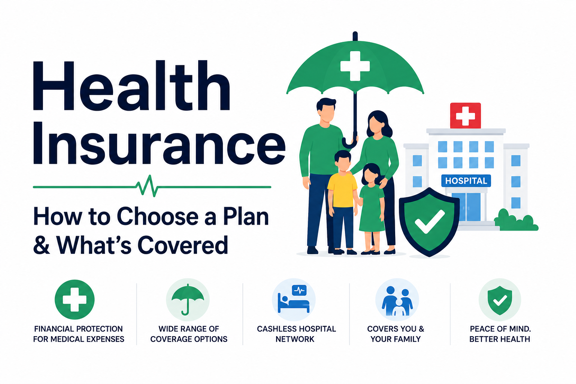
Choosing a health insurance plan can feel overwhelming, especially when you’re faced with unfamiliar terms, multiple coverage options, and varying costs. However, selecting the right plan is one of the most important financial and healthcare decisions you’ll make.
The best health insurance plan is one that balances affordability with the medical coverage you need. Understanding what’s covered, how costs work, and which plan fits your lifestyle can help you make a confident decision.
In this guide, you’ll learn how health insurance works, what different plans cover, and the key factors to consider before enrolling.
What Is Health Insurance?
Health insurance is a contract between you and an insurance company. In exchange for a monthly premium, the insurer helps cover healthcare expenses such as doctor visits, hospital stays, prescription medications, preventive care, and emergency treatments.
Without insurance, even routine medical services can become expensive. A good health insurance plan provides financial protection and access to quality healthcare when you need it.
Why Health Insurance Matters
Health insurance offers several important benefits:
- Reduces out-of-pocket medical expenses
- Provides access to preventive healthcare services
- Covers emergency medical treatments
- Helps manage chronic health conditions
- Protects against unexpected healthcare costs
- Gives access to a network of healthcare providers
Having coverage can significantly reduce the financial burden of medical emergencies and ongoing healthcare needs.
“Start investing with confidence! Explore
0 demat account
and grow your wealth.”
Types of Health Insurance Plans
Understanding the most common plan types can help you compare options effectively.
HMO (Health Maintenance Organization)
HMO plans generally require members to use a specific network of doctors and hospitals.
Pros:
- Lower premiums
- Lower out-of-pocket costs
- Coordinated care
Cons:
- Limited provider network
- Specialist referrals often required
PPO (Preferred Provider Organization)
PPO plans offer greater flexibility in choosing healthcare providers.
Pros:
- Larger provider network
- No referrals for specialists
- Coverage for out-of-network care
Cons:
- Higher premiums
- Higher deductibles
EPO (Exclusive Provider Organization)
EPO plans combine features of HMOs and PPOs.
Pros:
- Lower costs than PPOs
- No specialist referrals
Cons:
- No coverage outside the network except emergencies
POS (Point of Service)
POS plans allow members to choose between in-network and out-of-network care.
Pros:
- More flexibility
- Lower costs for in-network services
Cons:
- Referrals may be required
- More paperwork
What Does Health Insurance Typically Cover?
Most health insurance plans cover essential healthcare services.
Preventive Care
Preventive services are often covered at little or no additional cost.
Examples include:
- Annual health checkups
- Vaccinations
- Blood pressure screenings
- Cholesterol tests
- Cancer screenings
Doctor Visits
Coverage generally includes:
- Primary care physician visits
- Specialist consultations
- Follow-up appointments
Hospitalization
Most plans help cover:
- Inpatient hospital stays
- Surgeries
- Intensive care services
- Overnight observation
Emergency Services
Emergency care typically includes:
- Ambulance transportation
- Emergency room treatment
- Urgent medical interventions
Prescription Medications
Many plans provide prescription drug coverage through a formulary system that categorizes medications into pricing tiers.
Mental Health Services
Coverage often includes:
- Therapy sessions
- Counseling
- Psychiatric care
- Substance abuse treatment
Maternity and Newborn Care
Many policies cover:
- Prenatal visits
- Labor and delivery
- Postnatal care
- Newborn healthcare services
What’s Usually Not Covered?
Coverage varies by insurer and policy, but common exclusions may include:
- Cosmetic procedures
- Experimental treatments
- Certain alternative therapies
- Non-medically necessary services
- Elective procedures
Always review the policy’s exclusions and limitations before purchasing.
Key Terms You Need to Understand
Health insurance terminology can be confusing. Here are the most important terms.
| Term | Meaning |
|---|---|
| Premium | Monthly amount paid for coverage |
| Deductible | Amount paid before insurance begins sharing costs |
| Copayment | Fixed fee for specific healthcare services |
| Coinsurance | Percentage of costs you pay after meeting the deductible |
| Out-of-Pocket Maximum | Maximum amount you’ll pay in a year before insurance covers eligible expenses |
Understanding these terms helps you compare plans accurately.
How to Choose the Right Health Insurance Plan
1. Assess Your Healthcare Needs
Consider:
- How often you visit doctors
- Prescription medications you take
- Existing medical conditions
- Planned surgeries or treatments
- Family healthcare needs
People with ongoing medical needs may benefit from plans with broader coverage and lower out-of-pocket costs.
2. Compare Total Costs
Don’t focus only on the monthly premium.
Evaluate:
- Deductibles
- Copayments
- Coinsurance
- Out-of-pocket maximums
A low-premium plan may end up costing more if you require frequent medical care.
3. Check the Provider Network
Verify that your preferred:
- Doctors
- Specialists
- Hospitals
- Clinics
are included in the plan’s network.
Out-of-network care can significantly increase healthcare expenses.
4. Review Prescription Drug Coverage
If you regularly take medications, confirm that your prescriptions are included in the insurer’s formulary and determine your expected costs.
5. Consider Family Coverage Needs
Families should evaluate:
- Pediatric care
- Maternity benefits
- Specialist access
- Emergency care coverage
Family-focused plans often provide better value for households with children.
6. Evaluate Additional Benefits
Some plans include extra benefits such as:
- Telehealth services
- Wellness programs
- Vision coverage
- Dental coverage
- Health savings account (HSA) eligibility
These features can add significant value.
Common Mistakes to Avoid
Many consumers make costly mistakes when selecting health insurance.
Avoid these common errors:
- Choosing based solely on premium cost
- Ignoring provider networks
- Overlooking deductibles
- Not reviewing prescription coverage
- Failing to understand exclusions
- Missing enrollment deadlines
Taking time to compare plans carefully can prevent unexpected expenses later.
Comparing Health Insurance Plans: Quick Checklist
Before enrolling, ask yourself:
✓ Is my doctor in-network?
✓ What is the deductible?
✓ What is the annual out-of-pocket maximum?
✓ Are my medications covered?
✓ What preventive services are included?
✓ Does the plan cover specialists and emergency care?
✓ Are there any major exclusions?
Using this checklist can simplify the decision-making process.
Key Takeaways
- Health insurance helps protect against high medical expenses.
- Different plan types offer varying levels of flexibility and cost.
- Most plans cover preventive care, hospital services, prescriptions, and emergency treatment.
- Compare total costs, not just monthly premiums.
- Verify provider networks and medication coverage before enrolling.
- Understanding key insurance terms can help you choose the most suitable plan.
Frequently Asked Questions
Q. How much health insurance coverage do I need?
The amount of coverage depends on your health status, family size, medical history, and expected healthcare usage. Individuals with chronic conditions often benefit from more comprehensive plans.
Q. Is a lower premium always better?
Not necessarily. Lower-premium plans often have higher deductibles and out-of-pocket expenses, which can become costly if you need frequent medical care.
Q. Does health insurance cover pre-existing conditions?
Many modern health insurance policies cover pre-existing conditions, but coverage details vary by provider and region. Always review policy terms carefully.
Q. What is the difference between a deductible and a copay?
A deductible is the amount you pay before insurance begins sharing costs. A copay is a fixed fee paid for specific services, such as doctor visits or prescriptions.
Q. Can I change my health insurance plan later?
Most people can change plans during open enrollment periods or after qualifying life events such as marriage, childbirth, or loss of existing coverage.
Conclusion
Choosing the right health insurance plan requires more than comparing monthly premiums. Understanding coverage options, provider networks, deductibles, and overall healthcare costs can help you find a plan that meets both your medical and financial needs.
By carefully reviewing what is covered and comparing plans based on your personal healthcare requirements, you can secure reliable protection and gain greater peace of mind for the future.
Disclaimer
The stocks mentioned in this article are not recommendations. Please conduct your own research and due diligence before investing. Investment in securities market are subject to market risks, read all the related documents carefully before investing. Please read the Risk Disclosure documents carefully before investing in Equity Shares, Derivatives, Mutual fund, and/or other instruments traded on the Stock Exchanges. As investments are subject to market risks and price fluctuation risk, there is no assurance or guarantee that the investment objectives shall be achieved. Lemonn (Formerly known as NU Investors Technologies Pvt. Ltd) do not guarantee any assured returns on any investments. Past performance of securities/instruments is not indicative of their future performance.
Related Posts

Download Lemonn
Download my app for share market trading, ipo investment, trading account, and all your investment needs.



