How Wars Impact Crude Oil Prices: A Deep Global Analysis
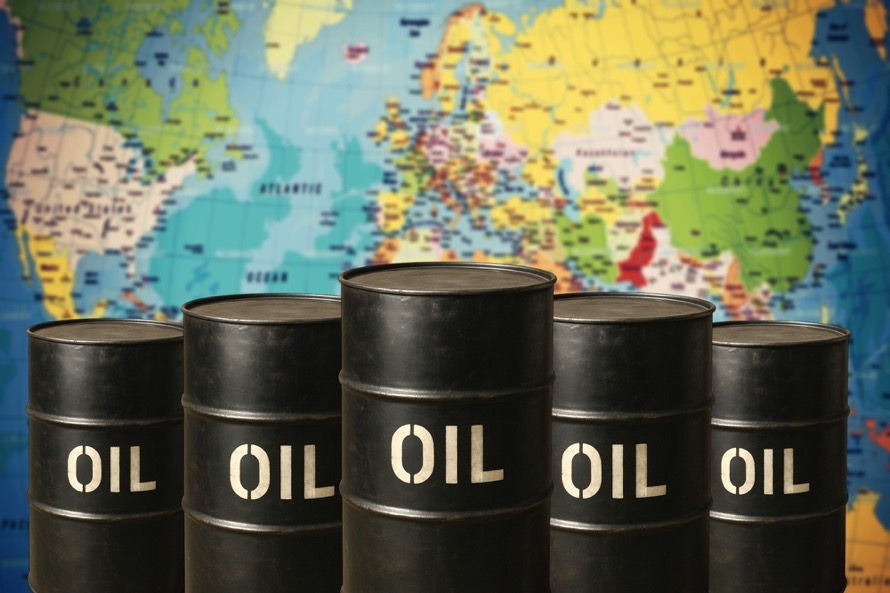
Wars and crude oil prices are closely connected. When conflict breaks out – especially in major energy-producing regions – oil prices often rise quickly. Sometimes they surge within hours.
The reason is simple: oil is the foundation of the modern global economy. It fuels transportation, powers industries, and influences food production, trade, and inflation. Any threat to oil supply, infrastructure, or shipping routes can create market panic.
In this comprehensive guide, we examine:
- Why wars trigger oil price spikes
- Historical data from major conflicts
- How oil shocks affect inflation and economies
- The academic theory behind oil price transmission
- What investors should understand
- Whether future conflicts could cause bigger disruptions
This is a data-backed, global, investor-aware analysis designed to provide clarity – not headlines.
Why Wars Move Crude Oil Prices So Fast
Oil markets are forward-looking. Traders price expectations, not just current supply.
There are four main reasons wars impact crude oil prices:
1. Physical Supply Disruption
Conflicts can damage:
- Oil fields
- Refineries
- Pipelines
- Export terminals
- Storage facilities
Even small disruptions can affect global prices because oil markets operate on tight supply-demand balances.
2. Geopolitical Risk Premium
Sometimes production is not immediately affected. But prices still rise.
Why?
Because markets add a risk premium. Traders price in the probability of:
- Escalation
- Sanctions
- Shipping interruptions
- Regional instability
Oil prices often spike before actual shortages occur.
3. Shipping Route Disruption
Oil moves through critical chokepoints:
- Strait of Hormuz
- Suez Canal
- Bab el-Mandeb
- Turkish Straits
- Panama Canal
If war threatens these routes, insurance costs rise and tanker traffic slows. That alone can push prices higher.
4. Sanctions and Trade Restrictions
Modern conflicts often include economic sanctions.
Sanctions can:
- Limit oil exports
- Restrict banking access
- Block shipping insurance
- Freeze energy company assets
Even if oil continues to be produced, trade barriers reduce supply to global markets.
Historical Data: Wars and Oil Price Spikes
History provides clear evidence of how wars affect crude oil prices.
Major Conflicts and Oil Price Reactions
| Event | Year | Oil Price Before | Peak During Conflict | Approx. % Increase |
|---|---|---|---|---|
| Arab Oil Embargo | 1973 | $3 | $12 | +300% |
| Iranian Revolution | 1979 | $14 | $39 | +178% |
| Iran–Iraq War | 1980 | $35 | $42 | +20% |
| Gulf War | 1990 | $17 | $36 | +112% |
| Iraq War | 2003 | $25 | $40 | +60% |
| Russia–Ukraine War | 2022 | $75 | $120+ | +60% |
Prices reflect approximate Brent crude benchmarks.
The 1973 oil embargo remains the most dramatic example, triggering global stagflation.
Below is a simplified representation of how crude oil prices often behave during war:
Phase 1: Shock Reaction
Markets react instantly to uncertainty.
Phase 2: Volatility
Speculation and news drive rapid swings.
Phase 3: Stabilization
If supply resumes or alternative sources emerge, prices settle.
Not all wars follow this pattern, but many do.
How Oil Shocks Affect the Global Economy
Oil price spikes do not stay within the energy sector. They ripple across the global economy.
1. Fuel Prices Rise
Higher crude oil prices translate into:
- Increased gasoline and diesel costs
- Higher aviation fuel expenses
- More expensive shipping
Transport costs affect nearly every product in the economy.
2. Inflation Increases
Oil impacts inflation both directly and indirectly.
Direct Impact:
Energy components in consumer price indexes rise.
Indirect Impact:
Higher energy costs increase:
- Food prices
- Manufacturing costs
- Construction expenses
- Utility bills
Oil Shock and Inflation Correlation
| Conflict | Oil Spike | Inflation Trend |
|---|---|---|
| 1973 Embargo | Extreme | Double-digit inflation |
| 1990 Gulf War | Moderate | Temporary CPI increase |
| 2008 Oil Surge (Geopolitical tensions) | Severe | Global inflation spike |
| 2022 Energy Shock | High | Multi-decade inflation highs |
Oil is not the only driver of inflation – but large spikes often amplify existing pressures.
3. Economic Growth Slows
When oil prices surge:
- Consumers spend more on fuel
- Businesses face higher operating costs
- Central banks may raise interest rates
This combination can reduce economic growth and increase recession risk.
Academic Perspective: The Oil Shock Transmission Mechanism
Economists describe three major transmission channels.
1. Cost-Push Shock
Higher oil prices increase production costs across industries. Businesses pass costs to consumers.
2. Demand Destruction
When fuel costs rise:
- Households reduce discretionary spending.
- Businesses cut investment.
This slows overall demand.
3. Inflation Expectations
If consumers expect sustained high energy prices:
- Wage demands increase.
- Businesses preemptively raise prices.
This can entrench inflation.
Research suggests oil shocks are more damaging when:
- Inflation is already elevated
- Monetary policy is loose
- Supply chains are constrained
Short-Term vs Long-Term Oil Price Impact
Short-Term (Days to Months)
- Rapid price spike
- Increased volatility
- Speculative trading
- Media-driven momentum
Markets react emotionally at first.
Medium-Term (Months to 1-2 Years)
- Alternative supply increases
- Strategic reserves are released
- High prices reduce demand
Prices often moderate unless supply damage is permanent.
Long-Term (Structural Impact)
Oil shocks become structural when:
- Infrastructure is destroyed
- Sanctions remain long-term
- Production capacity declines
- Energy policy permanently shifts
The 1973 embargo led to decades of energy policy changes and strategic reserves worldwide.
Role of OPEC and Major Producers
OPEC and allied producers influence how long oil spikes last.
They may:
- Increase production to stabilize prices
- Restrict supply to maintain higher prices
- Adjust quotas to manage volatility
Their response often determines whether price spikes fade or persist.
Strategic Petroleum Reserves (SPR)
Many countries maintain emergency oil reserves.
During major conflicts:
- Governments release oil to increase supply
- This reduces panic
- It smooths short-term volatility
However, reserves are finite and not permanent solutions.
Investor-Focused Analysis: Market Winners and Losers
War-driven oil shocks create sector rotation in financial markets.
Likely Beneficiaries
Energy Producers
- Oil exploration companies
- Integrated energy firms
- Oilfield services
Higher crude prices increase profit margins.
Defense Companies
Conflict increases military spending.
Commodity Assets
Oil futures and energy ETFs often rise during supply shocks.
Likely Losers
Airlines and Transportation
Fuel is a major operating expense.
Consumer Discretionary
High gasoline prices reduce household spending.
Energy-Intensive Industries
Chemicals, manufacturing, and logistics face margin pressure.
Why Some Wars Do Not Cause Oil Price Spikes
Not every conflict impacts crude oil prices significantly.
Oil markets may remain stable if:
- The country is not a major producer
- Global inventories are high
- Spare production capacity exists
- Demand is weak
Market fundamentals matter as much as geopolitics.
Could Future Conflicts Trigger Larger Oil Shocks?
Major global energy risks include:
- Disruption in key maritime chokepoints
- Escalation among major oil-producing nations
- Cyberattacks on energy infrastructure
- Long-term sanctions on large exporters
A severe disruption to a major shipping corridor could affect a significant portion of global supply, triggering sharp price increases.
Energy markets today are more interconnected than ever. That increases resilience – but also systemic risk.
Key Takeaways
- Wars often cause immediate oil price spikes due to supply fears.
- Markets price risk quickly – even before physical shortages occur.
- Oil shocks contribute to inflation and economic slowdowns.
- Long-term impact depends on supply recovery and producer response.
- Investors often see sector rotation during energy-driven crises.
Frequently Asked Questions
Q. Why do oil prices react so quickly to war?
Because markets anticipate future supply disruptions and price in risk immediately.
Q. Do oil prices always stay high after conflict?
Not necessarily. Prices often stabilize once supply adapts.
Q. Can strategic reserves prevent price spikes?
They can reduce short-term volatility but cannot solve long-term supply shortages.
Q. Are modern markets more resilient than in the 1970s?
Yes. Diversified supply, strategic reserves, and flexible trade routes improve resilience – but geopolitical risks remain.
Final Thoughts
Wars and crude oil prices remain tightly connected because oil underpins global economic activity. When conflict threatens supply, transport, or trade, markets respond immediately.
History shows that most war-driven oil spikes are sharp but temporary. However, prolonged disruptions or structural shifts can reshape global energy markets for years.
Understanding this relationship is critical for policymakers, businesses, and investors alike.
Oil is not just a commodity – it is a geopolitical asset. And during times of war, its price becomes a global signal of uncertainty.
Disclaimer
The stocks mentioned in this article are not recommendations. Please conduct your own research and due diligence before investing. Investment in securities market are subject to market risks, read all the related documents carefully before investing. Please read the Risk Disclosure documents carefully before investing in Equity Shares, Derivatives, Mutual fund, and/or other instruments traded on the Stock Exchanges. As investments are subject to market risks and price fluctuation risk, there is no assurance or guarantee that the investment objectives shall be achieved. Lemonn (Formerly known as NU Investors Technologies Pvt. Ltd) do not guarantee any assured returns on any investments. Past performance of securities/instruments is not indicative of their future performance.