

India Market Outlook September 4: Sensex Gains 363 Points
Indian equities ended higher on Friday, September 4, 2026, breaking a four-session losing streak. The Sensex gained 362.57 points, while the Nifty 50 added only 24.25 points after surrendering most of its intraday advance…
Top stories right now
Priority Jewels IPO Listing: Shares Debut at ₹230 on NSE, 15% Above Issue Price
ESDS Software IPO Listing: Shares Debut at 76.46% Premium on NSE
Snowflake Stock Surges 26% After Strong Quarterly Results
HAL, Astra Microwave, MTAR Tech: Why Are Defence Stocks Rising?
Rentomojo IPO: Price Band, Issue Size and Key Dates
Stock Market Today, 4 September 2026: Sensex Rebounds
Fresh off the desk
Latest from Lemonn

Deepa Jewellers IPO Allotment Status: How to Check, Final Subscription, and Timeline
The Deepa Jewellers initial public offering (IPO) allotment is expected to be finalised on 4 September…

Rays of Belief IPO Allotment Status: How to Check, Final Subscription, and Timeline
The Rays of Belief initial public offering (IPO) allotment is expected to be finalised on 4…

Fly-Hi Maritime Travels IPO Allotment Status: How to Check, Final Subscription, and Timeline
The Fly-Hi Maritime Travels initial public offering (IPO) allotment is expected to be finalised on 4…

Farm Peace IPO Allotment Status: How to Check, Final Subscription, and Timeline
The Farm Peace initial public offering (IPO) allotment is expected to be finalised on 4 September…
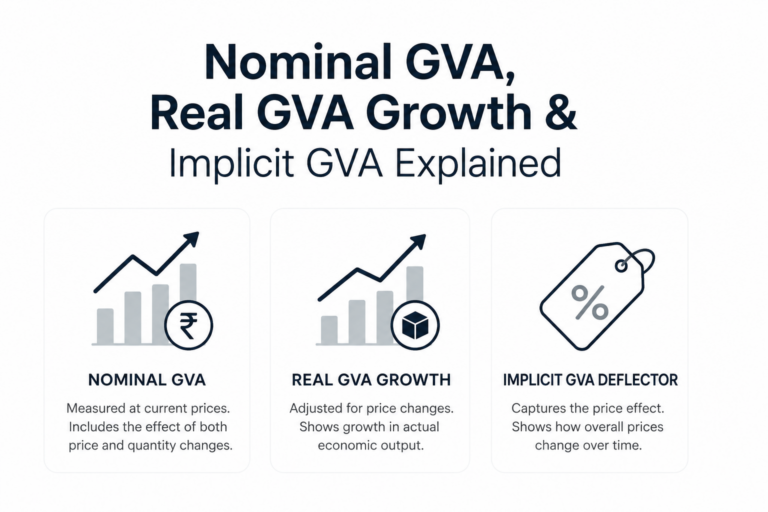
Nominal GVA, Real GVA Growth and Implicit GVA Explained
Nominal GVA measures economic output at current prices, while real GVA removes the impact of price…
Rays of Belief IPO Day 3 Final Subscription Status: 107.62x Subscribed; GMP at ₹59
Rays of Belief IPO Day 3 Final Subscription Status closed at 107.62x overall on 3 September…
Mainboard and SME listings, tracked
IPO Central

Priority Jewels IPO Listing: Shares Debut at ₹230 on NSE, 15% Above Issue Price
Priority Jewels made a positive stock-market debut on 4 September 2026. Shares listed at ₹230 on…
ESDS Software IPO Listing: Shares Debut at 76.46% Premium on NSE
ESDS Software Solution Limited made a strong stock-market debut on 4 September 2026. The Initial Public…

Rentomojo IPO: Price Band, Issue Size and Key Dates
Rentomojo is set to launch its initial public offering (IPO) on September 9, 2026, with a…
Equities
Stocks
Derivatives
Future & Options
SIP & funds
Mutual Funds
Open a free demat account in minutes.
Zero-commission investing in stocks, IPOs, mutual funds and F&O. Fully digital KYC, no paperwork, no hidden charges.
Every money topic we cover
Explore the knowledge hubs
Follow the smart money
Superstar Investor Portfolios
Everyday money
Banking
Borrowing
Loans
Central & state welfare
Government Schemes
Dr. Syama Prasad Mookerjee Accident Aid Scheme Haryana
Overview Dr. Syama Prasad Mookerjee Durghatana Sahayta Yojana is a Haryana state government scheme that provides financial assistance to individuals…
National Family Benefit Scheme for BPL Families Haryana
Overview The National Family Benefit Scheme (NFBS) for BPL Families in Haryana is a state-implemented central scheme under the National…
Bima Yojana Direct Benefit Insurance for Artisans
Overview The Bima Yojana for artisans is a Government of India initiative implemented through the Office of the Development Commissioner…
Regulated, secure, and built in India
Why investors trust Lemonn
NU Investors Technologies Pvt. Ltd. · CIN U67200MH2021PTC364704 · SEBI DP No. IN-DP-712-2022 · SEBI Research Analyst No. INH000016764 · NSE Clearing Member M70032. Content on Lemonn Insights is for education and information only and does not constitute investment advice or a recommendation to buy or sell any security. Investments in securities markets are subject to market risks; read all related documents carefully before investing. Past performance is not indicative of future results.



