
Understanding the Importance Of Emergency Fund In Personal Finance
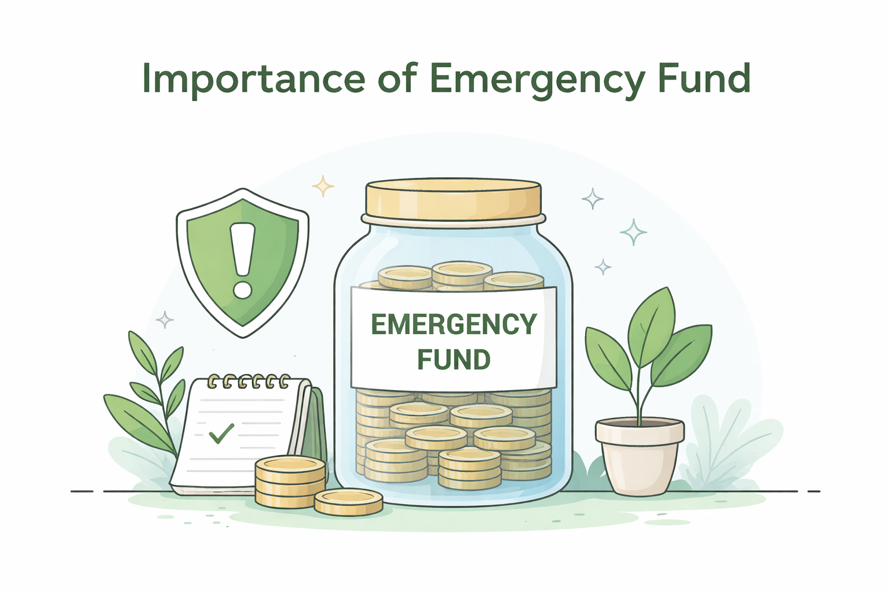
In a country where one hospital bill or a job loss can wipe out years of savings, the importance of an emergency fund in personal finance cannot be overstated. For most Indians, money stress doesn’t come from long-term goals like retirement; it comes from sudden shocks—medical emergencies, layoffs, business slowdowns, or family obligations that appear out of nowhere.
Understanding the Importance Of Emergency Fund In Personal Finance
At its core, the importance of emergency fund in personal finance is about ring-fencing a pool of money exclusively for genuine emergencies—events that are urgent, important, and unexpected. Think of it as your personal “financial helmet.” You hoped you would never need it, but you absolutely don’t step out without it. This fund doesn’t chase high returns; its primary job is safety and instant accessibility.
For Indian investors and families, understanding the importance of emergency fund in personal finance also means distinguishing between wants, planned expenses, and real emergencies. A last-minute Goa trip is not an emergency; a sudden hospitalization is.
Key Benefits of the Importance Of Emergency Fund In Personal Finance
- The biggest benefit of the importance of emergency fund in personal finance is mental peace: knowing that 3–6 months of expenses are parked safely makes every other investment decision calmer and less emotional.
- A solid emergency kitty saves you from liquidating long-term assets like equity funds, PPF, or NPS at the wrong time, preserving compounding and helping you stay disciplined with your goals.
- The importance of emergency fund in personal finance shows up clearly when it saves you from high-interest debt; instead of using credit cards, instant loans, or loan apps in a crisis, you rely on your own buffer and avoid dangerous interest burdens.
- Keeping this money in liquid, low-risk options like savings accounts, sweep-in FDs, or liquid mutual funds can generate modest returns while still staying accessible, making the importance of emergency fund in personal finance compatible with basic growth.
- From a tax angle, interest earned on your emergency fund is usually taxed as income, but because you’re not chasing aggressive returns here, the focus remains on safety.
“Start investing with confidence! Explore
0 demat account
and grow your wealth.”
A Step-by-Step Guide
Step 1: Getting started
The first step in understanding the importance of emergency fund in personal finance is to calculate your monthly expenses. Include essentials like rent or EMI, groceries, school fees, transport, utilities, insurance premiums, basic medical costs, and minimal lifestyle spending. Exclude one-time or luxury expenses. Multiply that figure by 3–6 for salaried individuals, and 6–12 for self-employed or those in very volatile job segments.
Step 2: Required documents
You don’t need anything fancy to operationalise the importance of emergency fund in personal finance. Usually, the tools will be:
- A regular savings bank account in your name (with PAN and KYC already done).
- Optional: access to internet banking or UPI to move money quickly when needed.
Step 3: How to execute or invest
Execution is where many people stumble despite understanding the importance of emergency fund in personal finance. A simple, practical approach looks like this:
- Choose the parking place
- Keep at least 1–2 months of expenses in a plain savings account for instant access.
- The balance can go into sweep-in FDs or liquid/ultra-short mutual funds, where you can redeem within a business day.
- Automate contributions
- Set a standing instruction or auto-debit from your salary account right after payday so you “pay your emergency fund first.”
- Start with a realistic amount; even ₹2,000–₹5,000 a month builds momentum and reinforces the importance of emergency fund in personal finance.
- Label and separate
- Consider using a separate bank account or clearly labelled goal in your app so this money is visually distinct from everyday balances.
- Every time you’re tempted to spend from it, remind yourself that violating the importance of emergency fund in personal finance means you might pay a heavy price in the future.
- One-way valve rule
- Withdraw only for real emergencies: health, job loss, critical repairs, or unavoidable family crises.
- After any withdrawal, create a mini-plan to replenish it within a few months, restoring the cushion.
Step 4: Monitoring and exit strategy
Unlike other investments, the importance of emergency fund in personal finance means you rarely “exit” this allocation completely; you maintain it throughout life, adjusting as your situation changes. Review your fund once or twice a year:
- Have your monthly expenses risen due to a lifestyle upgrade, kids’ education, or new EMIs? Then the emergency fund target should increase, too.
- Have you moved from a volatile job to a stable one (or vice versa)? Adjust the number of months of cushion accordingly.
- If the fund accidentally grows far beyond what you need—say, more than 12 months of expenses—you can move the excess into long-term investments while keeping the core emergency buffer intact.
This approach respects the importance of emergency fund in personal finance while ensuring you don’t end up being too conservative and over-parked in low-return assets forever.
Risks and Challenges
It might sound strange, but misunderstanding the importance of emergency fund in personal finance can create its own risks. One common mistake is parking the money in instruments that are too risky or illiquid—like locking it all in long-term FDs without premature withdrawal options, or, worse, in equity funds or stocks. In a market crash, your supposed emergency fund can lose value exactly when you need it.
On the flip side, some people misinterpret the importance of emergency fund in personal finance and hoard far more cash than necessary in low-yield accounts. Over the years, inflation quietly erodes the purchasing power of such idle funds. Another behavioural risk is “emergency fund leakage,” where the money gets used for gadgets, vacations, or impulsive purchases, leaving you exposed when a genuine crisis hits.
Expert Tips for Indians
- For Indian households, a smart way to honor the importance of emergency fund in personal finance is to split the buffer between spouses—each maintaining a small independent emergency pool plus a shared family fund.
- Consider using high-quality liquid mutual funds or sweep-in FDs for a portion of your reserve to earn slightly better returns while still preserving liquidity; just avoid chasing exotic products.
- Periodically align your health insurance, term insurance, and emergency fund; strong insurance coverage reduces the size of cash buffer required, optimizing how the importance of emergency fund in personal finance fits into your overall plan.
- If you support parents or extended family, communicate clearly that this fund is for genuine emergencies, not routine help; otherwise, the importance of emergency fund in personal finance gets diluted by constant small drains.
- Self-employed Indians or freelancers should target the higher end—at least 6–12 months of expenses—because their income volatility makes the importance of emergency fund in personal finance even more critical.
- Keep emergency money away from speculative investments, which defeats the importance of emergency fund in personal finance.
Conclusion
Every SIP, every investment, every goal-based plan becomes far more powerful when it is built on the solid foundation of an emergency buffer. The importance of emergency fund in personal finance is not a theoretical concept; it is what decides whether a crisis becomes a temporary setback or a multi-year financial disaster. For Indian families facing rising medical costs, uncertain job markets, and expanding responsibilities, this safety net is non-negotiable.
FAQs
What do you understand by the importance of emergency fund in personal finance?
It is the concept of maintaining a dedicated cash buffer to handle unexpected crises so that your long-term investments and lifestyle are not derailed.
How does the importance of emergency fund in personal finance work in India, practically speaking?
You set aside 3–12 months of essential expenses in safe, liquid instruments and use them only for true emergencies like medical issues, job loss, or critical repairs.
What are the benefits of an emergency fund?
It provides peace of mind, protects your long-term investments from forced liquidation, and saves you from taking high-interest loans during crises.
Are there any risks involved in keeping an emergency fund?
Yes, parking it in risky or illiquid assets, hoarding excessive cash that loses value to inflation, or frequently dipping into it for non-emergencies can all undermine its purpose.
Who should understand the importance of emergency fund in personal finance?
Every earning individual or family—salaried, self-employed, or business owners—should recognize the importance of emergency fund in personal finance and build an appropriate buffer.
How can I get started with an emergency fund in personal finance?
Calculate a realistic target based on monthly expenses, choose safe and liquid parking options, automate monthly contributions, and commit to using the fund only for genuine emergencies.
Disclaimer
The stocks mentioned in this article are not recommendations. Please conduct your own research and due diligence before investing. Investment in securities market are subject to market risks, read all the related documents carefully before investing. Please read the Risk Disclosure documents carefully before investing in Equity Shares, Derivatives, Mutual fund, and/or other instruments traded on the Stock Exchanges. As investments are subject to market risks and price fluctuation risk, there is no assurance or guarantee that the investment objectives shall be achieved. Lemonn (Formerly known as NU Investors Technologies Pvt. Ltd) do not guarantee any assured returns on any investments. Past performance of securities/instruments is not indicative of their future performance.
Related Posts


Download Lemonn
Download my app for share market trading, ipo investment, trading account, and all your investment needs.



