CIBIL Score: What It Is, How to Check & Improve It
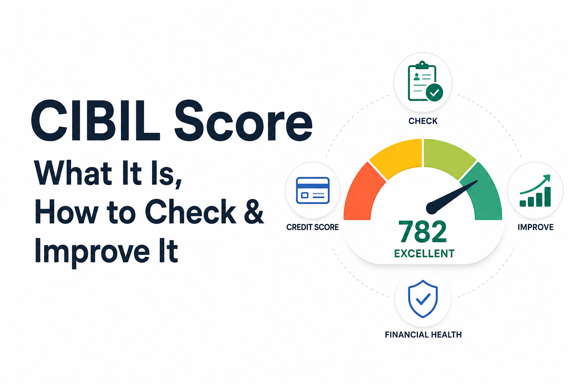
Whether you’re applying for a home loan, personal loan, credit card, or car loan, one number can significantly impact your chances of approval: your CIBIL Score.
A good CIBIL score not only increases the likelihood of loan approval but can also help you secure lower interest rates and better credit offers. Understanding how your score works and how to improve it is essential for maintaining a healthy financial profile.
In this guide, you’ll learn what a CIBIL score is, how to check it, the factors that affect it, and practical steps to improve it over time.
What Is a CIBIL Score?
A CIBIL Score is a three-digit credit score ranging from 300 to 900, issued by TransUnion CIBIL, one of India’s leading credit bureaus.
The score reflects your creditworthiness based on your borrowing and repayment history.
Lenders use this score to assess the risk of lending money to you.
CIBIL Score Range Explained
| CIBIL Score | Rating |
|---|---|
| 750 – 900 | Excellent |
| 700 – 749 | Good |
| 650 – 699 | Fair |
| 550 – 649 | Poor |
| 300 – 549 | Very Poor |
Generally, a score above 750 is considered favorable for most loans and credit cards.
“Start investing with confidence! Explore
0 demat account
and grow your wealth.”
Why Is a CIBIL Score Important?
Your CIBIL score plays a major role in financial decisions made by lenders.
Benefits of a High CIBIL Score
- Higher chances of loan approval
- Faster loan processing
- Better credit card offers
- Lower interest rates
- Higher credit limits
- Improved negotiating power with lenders
A strong score signals responsible credit behavior.
How Is a CIBIL Score Calculated?
Credit bureaus evaluate several factors when calculating your score.
Major Factors Affecting CIBIL Score
| Factor | Impact |
|---|---|
| Repayment History | Very High |
| Credit Utilization | High |
| Credit Mix | Moderate |
| Credit Age | Moderate |
| Credit Inquiries | Moderate |
Let’s examine these factors in more detail.
1. Repayment History
This is the most important factor.
Paying:
- Loan EMIs on time
- Credit card bills before the due date
helps build a strong score.
Missed or delayed payments can significantly reduce your score.
2. Credit Utilization Ratio
This refers to the percentage of your available credit limit that you use.
Example
- Credit Limit: ₹1,00,000
- Credit Used: ₹30,000
Credit Utilization = 30%
Experts generally recommend keeping utilization below 30%.
3. Credit History Length
Lenders prefer borrowers with a longer credit history.
Older credit accounts demonstrate:
- Stability
- Consistent repayment behavior
- Credit management experience
4. Credit Mix
A healthy mix of:
- Secured loans (home loan, car loan)
- Unsecured loans (personal loan, credit card)
can positively impact your score.
5. Multiple Credit Applications
Frequent loan or credit card applications generate hard inquiries.
Too many inquiries in a short period may signal financial stress and lower your score.
How to Check Your CIBIL Score
Checking your CIBIL score has become simple and convenient.
Method 1: Through the CIBIL Website
You can access your credit score by registering on the official TransUnion CIBIL platform.
Typically, you’ll need:
- PAN number
- Date of birth
- Mobile number
- Email address
Identity verification is required before accessing your report.
Method 2: Through Banks and Financial Institutions
Many banks and fintech platforms offer complimentary credit score checks to customers.
These services often include:
- Credit score updates
- Credit report summaries
- Personalized improvement tips
Method 3: Through Financial Apps
Several financial apps provide credit score monitoring and alerts, helping users track changes over time.
What Information Does a CIBIL Report Contain?
Your credit report includes detailed financial information.
Personal Details
- Name
- Date of birth
- PAN details
- Contact information
Credit Accounts
- Credit cards
- Personal loans
- Home loans
- Auto loans
Repayment History
A month-by-month record of your repayment behavior.
Credit Inquiries
A list of institutions that have checked your credit report.
Reviewing this report regularly helps identify errors and fraud.
How to Improve Your CIBIL Score
Improving a credit score takes time, but the following strategies can help.
1. Pay EMIs and Bills on Time
Timely payments have the greatest impact on your score.
Consider:
- Auto-debit facilities
- Payment reminders
- Calendar alerts
Consistency is key.
2. Keep Credit Utilization Low
Try to use less than 30% of your available credit limit.
Example
| Credit Limit | Recommended Usage |
|---|---|
| ₹50,000 | Below ₹15,000 |
| ₹1,00,000 | Below ₹30,000 |
| ₹2,00,000 | Below ₹60,000 |
Lower utilization demonstrates responsible credit management.
3. Avoid Frequent Loan Applications
Applying for multiple loans simultaneously can hurt your score.
Instead:
- Compare options first
- Apply selectively
- Space out applications when possible
4. Maintain Older Credit Accounts
Long-standing accounts contribute positively to credit history.
Avoid closing old credit cards unless necessary.
5. Monitor Your Credit Report
Review your report periodically to:
- Detect errors
- Identify unauthorized accounts
- Correct inaccurate information
Disputing errors can sometimes improve your score.
6. Maintain a Healthy Credit Mix
A balanced combination of secured and unsecured credit may strengthen your profile.
However, avoid borrowing solely to improve your score.
Common Reasons for a Low CIBIL Score
Several issues can negatively affect credit health.
Missed Payments
Late payments are among the most damaging factors.
High Credit Card Balances
Excessive utilization signals financial risk.
Loan Defaults
Defaulting on loans can severely impact your score.
Settled Accounts
Loans marked as “settled” rather than “closed” may negatively affect future credit assessments.
Frequent Hard Inquiries
Multiple credit checks within a short period can lower your score.
How Long Does It Take to Improve a CIBIL Score?
The timeline varies depending on the reason for the low score.
| Situation | Typical Improvement Time |
|---|---|
| High Credit Utilization | Few Months |
| Missed Payments | Several Months |
| Major Defaults | Longer-Term Recovery |
| Credit Report Errors | After Correction and Update |
Building excellent credit is a gradual process that requires consistent financial discipline.
CIBIL Score Requirements for Loans
While requirements vary by lender, the following ranges are commonly viewed favorably.
| Product | Preferred Score |
|---|---|
| Personal Loan | 750+ |
| Home Loan | 700+ |
| Car Loan | 700+ |
| Premium Credit Cards | 750+ |
Approval decisions also depend on income, employment, and other eligibility factors.
Benefits of Maintaining a Good CIBIL Score
A strong score can provide:
- Easier loan approvals
- Better interest rates
- Higher credit limits
- Access to premium credit cards
- Faster application processing
- Improved financial credibility
These benefits can save significant money over time.
Key Takeaways
- A CIBIL score is a three-digit number ranging from 300 to 900.
- Scores above 750 are generally considered strong.
- Repayment history has the greatest influence on your credit score.
- Keeping credit utilization below 30% can help maintain a healthy score.
- Regularly reviewing your credit report helps identify errors and fraud.
- Timely payments and responsible borrowing are the best ways to improve your score.
- A good CIBIL score can lead to better loan terms and faster approvals.
Frequently Asked Questions
Q. What is considered a good CIBIL score?
A score of 750 or above is generally considered good and may improve your chances of securing loans and credit cards on favorable terms.
Q. Does checking my CIBIL score reduce it?
No. Checking your own credit score is considered a soft inquiry and does not affect your score.
Q. How often should I check my credit report?
Reviewing your credit report every few months can help you monitor changes and identify inaccuracies.
Q. Can I improve my CIBIL score quickly?
Improvement depends on your current credit profile. Consistent on-time payments and reduced credit utilization are among the fastest ways to see positive changes.
Q. How long do missed payments affect my score?
Missed payments can remain on your credit history for several years and may influence lending decisions during that period.
Conclusion
Your CIBIL score is one of the most important indicators of your financial health. It influences loan approvals, credit card eligibility, interest rates, and overall access to credit. Fortunately, maintaining a strong score is largely a matter of consistent financial habits.
By paying bills on time, keeping credit utilization low, avoiding unnecessary loan applications, and regularly monitoring your credit report, you can build and maintain a healthy CIBIL score that supports your long-term financial goals.
Disclaimer
The stocks mentioned in this article are not recommendations. Please conduct your own research and due diligence before investing. Investment in securities market are subject to market risks, read all the related documents carefully before investing. Please read the Risk Disclosure documents carefully before investing in Equity Shares, Derivatives, Mutual fund, and/or other instruments traded on the Stock Exchanges. As investments are subject to market risks and price fluctuation risk, there is no assurance or guarantee that the investment objectives shall be achieved. Lemonn (Formerly known as NU Investors Technologies Pvt. Ltd) do not guarantee any assured returns on any investments. Past performance of securities/instruments is not indicative of their future performance.
Related Posts


Download Lemonn
Download my app for share market trading, ipo investment, trading account, and all your investment needs.